

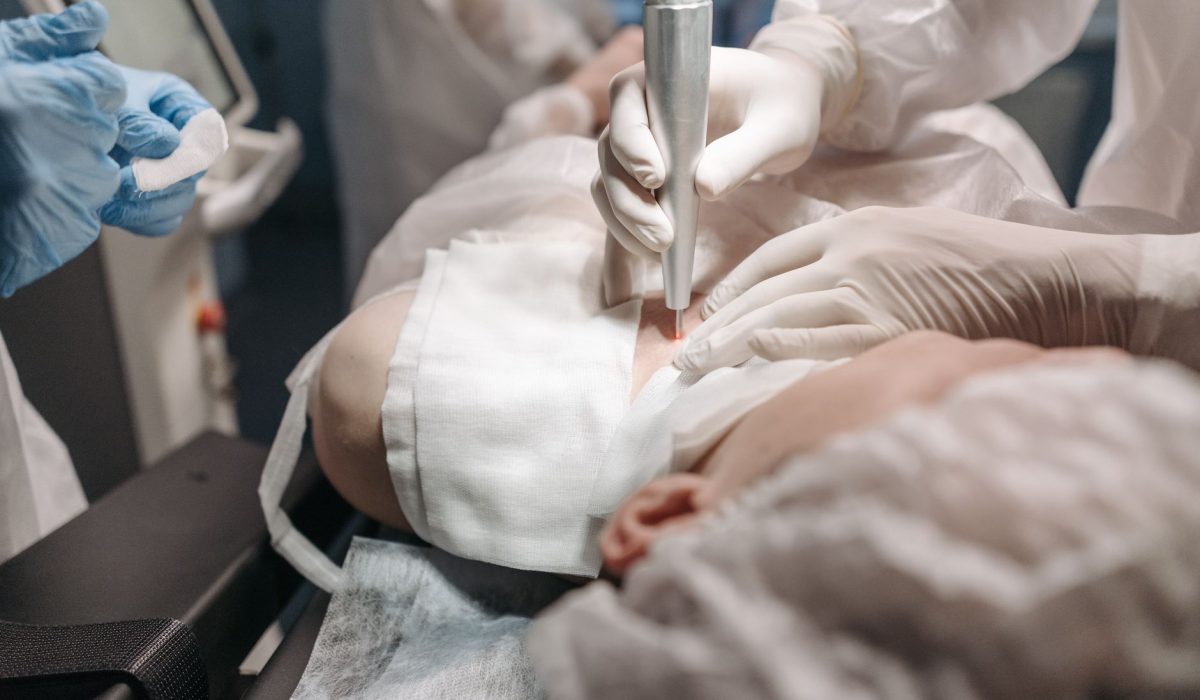
Melasma is a common pigmentation condition that can be persistent and prone to recurrence, making it important to approach treatment carefully. While it may be tempting to choose stronger or more frequent procedures for faster results, more aggressive treatment is not necessarily better for melasma. Excessive laser treatments, peels or other procedures can irritate the skin and trigger inflammation, which may worsen pigmentation, particularly in darker or Asian skin tones.
For those searching for the best melasma clinic Singapore, it is worth considering a clinic that takes a controlled and individualised approach rather than relying on intensive treatments alone. Choosing a top melasma clinic in Singapore should involve assessing the type and severity of melasma, skin condition and previous treatments before recommending an appropriate treatment plan.
Why Melasma Needs More Than A Quick Fix
Melasma can be difficult to manage because several factors may contribute to its development and recurrence. Sun exposure, visible light, hormonal changes and skin irritation can all influence pigmentation. The pigmentation may also occur at different depths within the skin, meaning that treatment needs to be selected according to the individual’s presentation.
Previous treatments should also be considered, particularly if repeated procedures have left the skin sensitive or irritated. Depending on the assessment, options may include topical treatments, chemical peels, laser procedures or other approaches. However, not every treatment is suitable for every person.
For this reason, melasma management should focus on gradual, controlled improvement rather than simply trying to lighten the skin as quickly as possible. A personalised approach can help address existing pigmentation while reducing factors that may contribute to recurrence.
Why Stronger Laser Treatment Is Not Always Better
Laser treatments can be considered for melasma, but higher intensity or more frequent sessions do not necessarily produce better results. Excessive heat or irritation may trigger inflammation and potentially worsen pigmentation, especially in skin that is prone to post-inflammatory hyperpigmentation.
Depending on the individual’s skin type and pigmentation, a doctor may consider approaches such as low-fluence laser toning or picosecond laser treatment. Treatment settings, session intervals and the skin’s response should be carefully monitored rather than applying the same approach to every patient.
The aim is to improve pigmentation while keeping the skin comfortable and minimising unnecessary irritation. In some cases, a more conservative treatment plan may involve fewer procedures alongside topical skincare and strict sun protection. This balanced approach can help manage melasma without placing unnecessary stress on the skin.
Combining Treatments For Better Melasma Management
Melasma treatment does not always need to rely on a single procedure. Depending on the patient’s skin and pigmentation, a doctor may combine or alternate treatments to achieve gradual improvement while reducing the need for aggressive procedures.
Topical treatments such as hydroquinone, retinoids or azelaic acid may be considered as part of a broader treatment plan. Other options can include chemical peels, laser treatments or tranexamic acid, depending on the individual’s medical history and suitability. These approaches may be used alongside appropriate skincare and sun protection.
A combination approach should still be carefully controlled. Using multiple treatments at once or introducing procedures too frequently can irritate the skin. The goal is to select treatments that complement one another while allowing sufficient time for the skin to respond and recover.
Protecting The Skin Barrier During Melasma Treatment
Maintaining a healthy skin barrier is an important part of managing melasma, particularly when using active skincare or undergoing procedures. Excessive exfoliation, harsh products or frequent treatments can cause irritation and inflammation, which may contribute to worsening pigmentation.
A gentle skincare routine can help minimise unnecessary irritation during treatment. Daily sun protection is also essential, as ultraviolet exposure can stimulate pigmentation and contribute to recurrence. Broad-spectrum sunscreen should be applied consistently, while additional measures such as seeking shade and wearing a hat can provide further protection.
Visible light may also influence melasma in some individuals, making appropriate sunscreen selection worth discussing with a doctor. By combining pigmentation treatment with barrier care and consistent sun protection, the skin can be managed more gently. This supports a gradual approach to improving melasma while reducing avoidable triggers.
What To Consider When Choosing A Melasma Treatment Plan
A suitable melasma treatment plan should be based on the individual’s pigmentation, skin type and treatment history. During a consultation, a doctor may consider:
- Type of pigmentation: Whether the melasma appears superficial, deeper or mixed.
- Skin condition: Existing irritation or sensitivity may affect treatment choices.
- Previous treatments: Past laser, peel or topical treatments can influence the next step.
- Treatment options: Depending on suitability, options may include topical medication, chemical peels, laser treatments or tranexamic acid.
- Response to treatment: The plan may be adjusted based on how the skin responds.
This personalised approach can help avoid unnecessary procedures and reduce the risk of irritation. The aim is gradual improvement through carefully selected treatments rather than simply choosing the most intensive option available.
Conclusion
Melasma often requires patience and a carefully controlled treatment approach. Rather than focusing on the strongest or most frequent procedures, treatment should consider your skin type, pigmentation, previous treatments and risk of irritation. With appropriate treatment selection, skincare and sun protection, melasma can be managed while reducing unnecessary stress on the skin.
Take the next step towards managing your melasma. Book a call with our clinic to discuss your pigmentation concerns and possible treatment approaches at:
One Face Clinic – Pigmentation | Melasma Treatment | Acne Singapore