

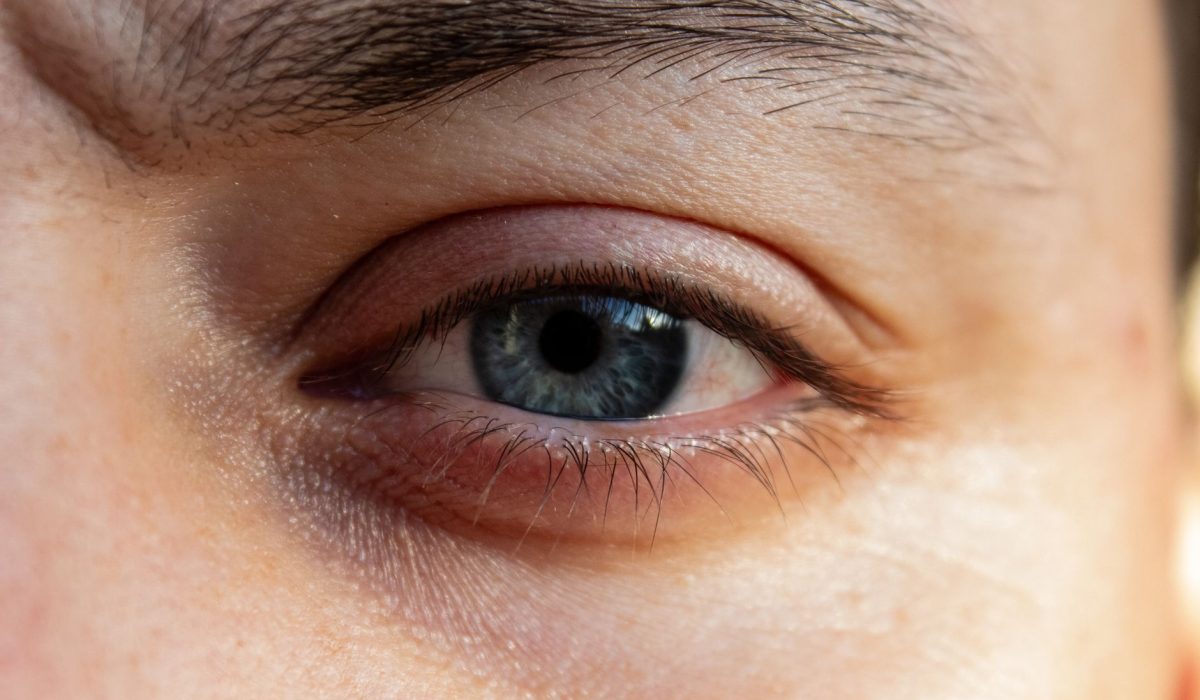
Droopy eyelids, also known as ptosis or excess upper eyelid skin, are a common concern that may affect both facial appearance and, in some cases, vision. As people age, changes in skin elasticity, eyelid muscles and the supporting structures around the eyes can cause the upper eyelids to appear heavier or more hooded. Genetics, lifestyle factors and certain medical conditions may also contribute to the development of droopy eyelids.
While some individuals seek treatment to achieve a more refreshed and youthful appearance, others may experience functional concerns such as difficulty keeping the eyes open, eye fatigue or reduced field of vision due to eyelid drooping. Droopy eyelid surgery Singapore may help address these concerns through a personalised assessment and suitable surgical techniques based on each individual’s eyelid condition and goals. Understanding factors such as the procedure involved and droopy eyelid surgery cost in Singapore can also help patients make informed decisions before considering treatment.
Ageing-Related Changes That Cause Droopy Eyelids
Ageing is one of the most common reasons people develop droopy eyelids. Over time, the skin around the eyes naturally loses elasticity and becomes thinner, which can lead to excess upper eyelid skin folding over the eyelid crease. The muscles responsible for lifting the eyelid may also weaken or stretch with age, causing the eyelid to sit lower than before.
Changes in the tissues around the eyes, including fat redistribution and reduced support from surrounding structures, can further contribute to a heavier or tired-looking appearance. These changes may develop gradually, making some individuals notice that their eyes look less open or refreshed compared to earlier years.
However, droopy eyelids are not always caused by excess skin alone. A proper assessment is important to determine whether the concern is related to skin laxity, eyelid muscle weakness or a combination of factors. Depending on the underlying cause, droopy eyelid surgery Singapore may involve techniques such as removing excess skin or correcting eyelid muscle position to improve both appearance and function.
Genetic and Lifestyle Factors Behind Droopy Eyelids
Droopy eyelids can also develop due to genetic factors and individual facial characteristics. Some people naturally have heavier upper eyelids, deeper skin folds or a lower eyelid position from a younger age. These inherited features may become more noticeable over time as the skin and supporting tissues change.
Lifestyle factors may also influence how the skin around the eyes ages. Prolonged sun exposure, smoking, stress and reduced skin quality can contribute to earlier signs of ageing around the eyelids. While skincare may help maintain skin health, structural concerns such as significant eyelid drooping may require a more targeted approach. A consultation can help determine whether droopy eyelid surgery Singapore is suitable based on the cause and severity of the condition.
Medical Conditions and Eyelid Muscle Weakness
In some cases, droopy eyelids may be caused by changes affecting the muscles, nerves or structures that control eyelid movement. For example, weakening or stretching of the levator muscle, which helps lift the upper eyelid, may result in a lower eyelid position. Drooping can also occur following injury, previous eye procedures or certain medical conditions that affect nerve or muscle function.
Identifying the underlying cause is an important step before considering treatment. A detailed assessment of eyelid position, muscle strength, vision and overall eye health can help determine the most suitable approach. For individuals with muscle-related eyelid concerns, droopy eyelid surgery Singapore may involve ptosis correction techniques designed to improve eyelid function and create a more balanced appearance.
How Droopy Eyelid Surgery Singapore Addresses Eyelid Concerns
The approach used for droopy eyelid surgery depends on the underlying cause of the eyelid concern. For individuals with excess upper eyelid skin, an upper eyelid blepharoplasty may be considered to remove extra skin and improve eyelid contour. If the issue is related to weakened or stretched eyelid muscles, ptosis correction may be performed to adjust the eyelid lifting mechanism.
During a consultation, the eyelid structure, degree of drooping, facial features and personal goals will be assessed to determine the most suitable option. Droopy eyelid surgery Singapore aims to address concerns such as heavy-looking eyelids, reduced eyelid opening or visual obstruction while maintaining a natural appearance. A personalised treatment plan can help ensure the procedure is aligned with each individual’s needs and expectations.
Recovery and Considerations After Surgery
Recovery after droopy eyelid surgery varies depending on the procedure performed and individual healing factors. In the early stages, patients may experience temporary swelling, bruising or mild discomfort around the eyes, which typically improves over time. Following the recommended aftercare instructions can help support proper healing and recovery.
During a consultation for droopy eyelid surgery Singapore, patients can discuss the expected recovery timeline, possible risks and post-surgery care requirements. Understanding what to expect before and after the procedure allows individuals to make informed decisions and prepare for the healing process. Regular follow-up appointments may also be recommended to monitor recovery progress.
Conclusion
Droopy eyelids can develop due to ageing, genetics, lifestyle factors or changes affecting the eyelid muscles. Understanding the underlying cause is important in determining the most suitable approach, whether the concern is mainly aesthetic or affecting daily vision.
With a proper assessment, droopy eyelid surgery Singapore may help address heavy-looking eyelids and improve eyelid function while maintaining natural-looking results. For a personalised assessment of your eyelid concerns, contact: