Buying an exotic car is a significant decision that goes beyond choosing a striking design or powerful engine. If you plan to buy an exotic car, it is important to assess its performance, mechanical condition, history, and market value carefully. A thorough evaluation can help you understand what you are actually paying for and identify potential maintenance or ownership concerns before committing to the purchase.
Assess the Mechanical Condition
Start with a mechanical inspection by a technician familiar with exotic vehicles. Examine the engine, transmission, cooling system, suspension, brakes, steering, and electronics. Look for leaks, unusual noises, warning lights, and signs of poor repairs.
A diagnostic scan can reveal stored fault codes that may not appear during a short test drive. Check tyre age and condition. Service intervals should also be compared with the manufacturer's recommendations.
Review the Vehicle History
A detailed history helps establish how the car has been treated. Request service invoices, inspection reports, registration records, and repair documentation. Verify the vehicle identification number and investigate accident, salvage, or insurance records.
Ownership history can provide useful context. A car that has passed through many owners may warrant additional questions, particularly if maintenance records are incomplete.
Evaluate Performance Properly
Do not judge performance solely by acceleration figures. Assess throttle response, gear changes, braking behaviour, steering feedback, ride quality, and stability. Listen for vibrations or noises that could indicate mechanical problems.
Consider how the car performs in ordinary conditions too. An exotic vehicle may have exceptional capabilities, but its usability, visibility, driving position, and technology can affect ownership satisfaction.
Inspect the Exterior and Interior
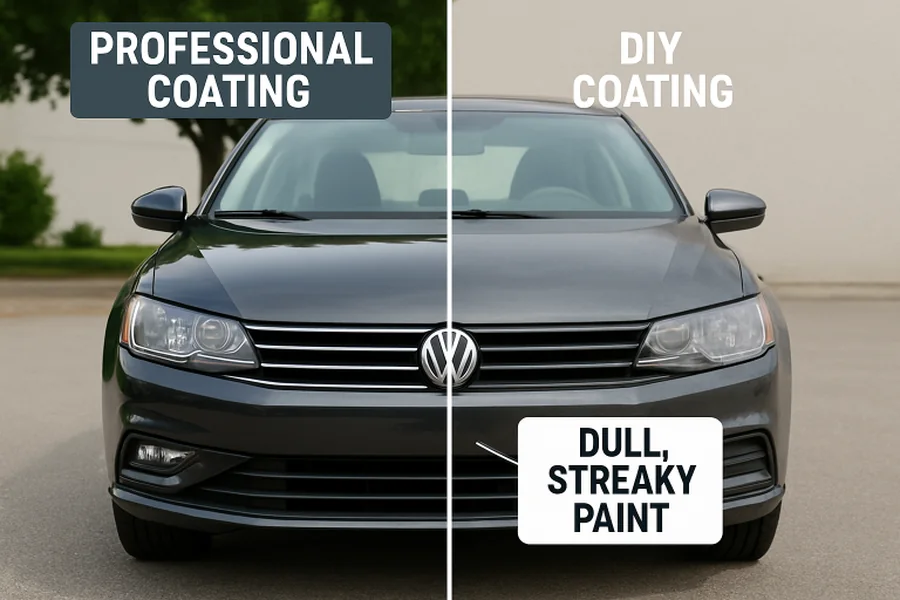
Inspect the paintwork for colour differences, overspray, dents, scratches, and evidence of bodywork. Examine panel gaps and lights for signs of previous repairs. Carbon-fibre components deserve particular attention.
Inside, inspect the seats, dashboard, trim, switches, infotainment system, and climate controls. Excessive wear may conflict with the stated mileage and could affect resale prospects.
Determine Market Value
Price should be assessed against comparable examples rather than relying on the seller's asking figure. Compare model year, mileage, specification, condition, service history, ownership, and rarity. Optional equipment can influence value, but not every expensive factory option adds the same amount in the resale market.
Specialist dealers such as Studio Motors can provide useful market context when buyers compare specifications or consider how condition affects pricing. Independent valuation remains worthwhile for expensive purchases.
Consider Ownership Costs
Purchase price is only one part of the financial equation. Research insurance, servicing, tyres, brakes, repairs, storage, and taxes. Ask whether parts are available and whether qualified technicians are accessible.
A seemingly attractive purchase can become costly if deferred maintenance is substantial. Build a reserve for unexpected repairs rather than assuming that a well-presented car will require no immediate expenditure.
For high-value models, originality can matter as much as condition. Factory paint, matching numbers, documented modifications, and correct equipment may influence collector interest. Conversely, non-standard upgrades can narrow the future buyer pool, even when they improve performance or appearance for certain buyers over time significantly.
A Closer Look with Studio Motors
For buyers exploring different exotic models, Studio Motors offers an opportunity to examine vehicles while comparing factors such as specifications, condition, mileage, and overall presentation. Looking at multiple examples can help buyers understand how these factors influence asking prices and resale considerations. However, regardless of where a vehicle is sourced, buyers should independently verify its history, documentation, mechanical condition, and market value before making a purchase.
Make the Decision with Confidence
An exotic car should be evaluated as more than an attractive performance machine. Mechanical condition, ownership history, specification, market value, and future running costs all contribute to the real cost of ownership. Careful research and an independent inspection can help identify potential concerns and ensure that when you buy an exotic car, the decision is based on evidence rather than appearance alone.