

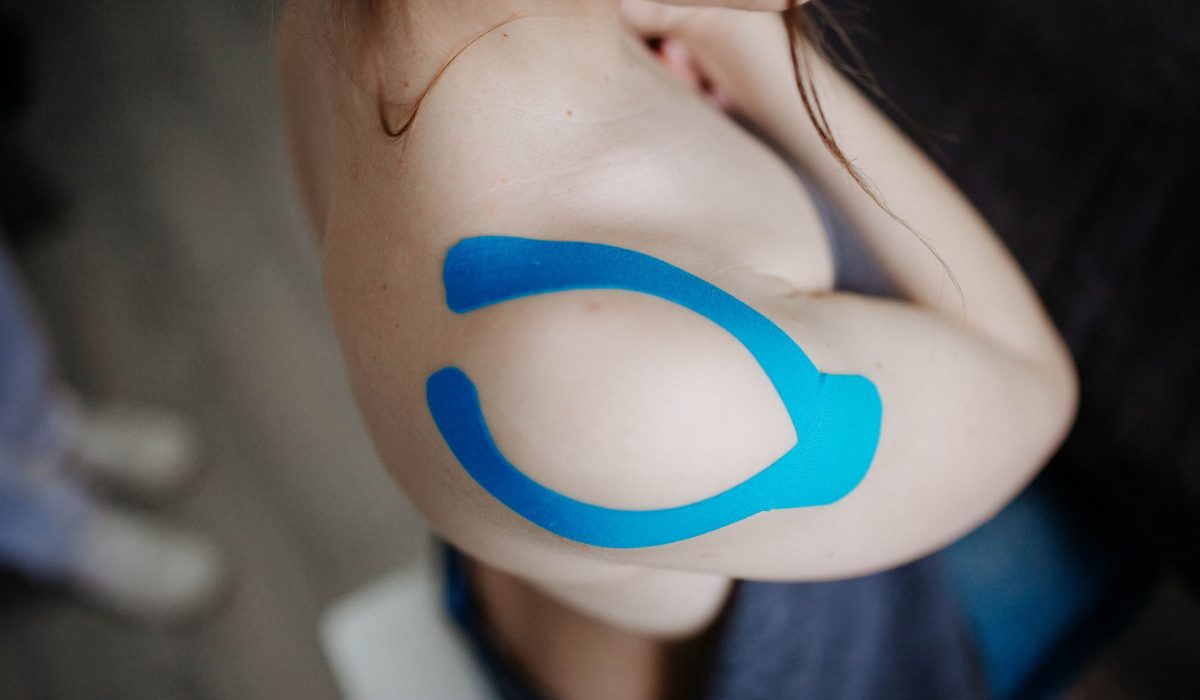
Shoulder injuries are a common cause of pain, stiffness and reduced mobility among adults, athletes and active individuals. Whether the injury results from sports, repetitive overhead movements, heavy lifting or age-related wear and tear, they can make everyday activities such as reaching, dressing and carrying objects more difficult. While many shoulder conditions improve with rest, physiotherapy and medication, some persistent tendon injuries may benefit from regenerative treatments such as Platelet-Rich Plasma (PRP) therapy.
PRP is one of several options for shoulder injuries treatment Singapore, but it is not suitable for every condition and should only be considered after an accurate diagnosis has identified the underlying cause of shoulder pain. In this article, we explain how PRP therapy works, which shoulder injuries it may help treat, what to expect during the procedure and how it compares with other available treatment options. Learn more about this treatment here https://rayofhealth.sg/non-surgical-shoulder-pain-treatment-in-singapore/.
What Is PRP Therapy?
Platelet-Rich Plasma (PRP) therapy is a regenerative treatment that uses a concentrated portion of a patient's own blood to support the body's natural healing process. Platelets are best known for helping blood clot after an injury, but they also contain growth factors that play an important role in tissue repair. By concentrating these platelets and injecting them into an injured area, PRP therapy aims to encourage healing in damaged tendons and other soft tissues.
The procedure begins with a small blood sample being drawn from the patient. The blood is then placed in a centrifuge, which spins at high speed to separate its different components. This process produces a platelet-rich layer that contains a higher concentration of platelets than normal blood. The prepared PRP is then injected into the affected shoulder, often with ultrasound guidance to improve accuracy.
Which Shoulder Injuries May Benefit From PRP Therapy?
PRP therapy may be considered for selected shoulder injuries involving tendons and other soft tissues, particularly when symptoms persist despite rest, physiotherapy or other conservative treatments. However, it is not a one-size-fits-all solution, and its suitability depends on the underlying diagnosis and severity of the injury.
PRP may be recommended for conditions such as:
- Partial rotator cuff tears
- Rotator cuff tendinopathy
- Chronic tendon degeneration (tendinosis)
- Persistent shoulder tendon inflammation
- Some cases of shoulder impingement associated with tendon injury
PRP is generally not suitable for:
- Complete rotator cuff tears
- Severe shoulder osteoarthritis
- Shoulder fractures
- Acute or recurrent shoulder dislocations that require stabilisation
A thorough assessment by an orthopaedic surgeon, together with imaging such as X-rays or MRI scans when required, can help determine the cause of your shoulder pain and whether PRP is an appropriate treatment option.
What Happens During a PRP Treatment?
PRP therapy is usually performed as an outpatient procedure and typically involves several steps. Before treatment, an orthopaedic assessment is carried out to confirm the diagnosis and determine whether PRP is suitable for the shoulder injury.
The treatment process generally includes:
- Assessment and preparation: The shoulder condition is reviewed, and imaging may be performed to identify the location and severity of the injury.
- Blood collection: A small amount of the patient’s own blood is drawn, similar to a routine blood test.
- PRP preparation: The blood sample is placed in a centrifuge to separate and concentrate the platelets.
- Injection into the injured area: The prepared PRP is injected into the affected tendon or tissue, often with ultrasound guidance for greater accuracy.
After the procedure, some patients may experience mild soreness or discomfort around the injection site for a few days.
What Results Can Patients Expect After PRP Therapy?
PRP therapy is designed to support the body’s natural healing process, so improvements are usually gradual rather than immediate. Unlike some injections that mainly provide short-term pain relief, PRP aims to promote recovery of injured tendons and soft tissues over time. Patients may experience:
- Initial soreness: Mild pain, swelling or discomfort around the injection site may occur for a few days after treatment.
- Gradual improvement: Pain and shoulder function may improve progressively over several weeks or months.
- Better movement and strength: Improvements may be supported by a structured physiotherapy programme after treatment.
- Individualised outcomes: Results can vary depending on the type and severity of the shoulder injury, duration of symptoms, age, activity level and overall health.
How Does PRP Compare With Other Shoulder Treatments?
PRP therapy is one of several treatment options available for shoulder injuries. The most suitable approach depends on the type of injury, severity of symptoms and the patient’s goals. In many cases, treatment may begin with non-surgical options before considering procedures or surgery.
Common shoulder treatment options include:
- Physiotherapy: Helps improve shoulder strength, flexibility and movement through targeted exercises. It is often recommended for mild to moderate injuries and may be combined with other treatments.
- Medication and rest: Pain relief medication and temporary activity modification may help manage symptoms during the early stages of injury.
- Corticosteroid injections: May provide short-term relief for certain inflammatory shoulder conditions but do not focus on tendon healing.
- PRP therapy: Uses the patient’s own concentrated platelets to support tissue repair, particularly for selected tendon-related injuries.
- Arthroscopic shoulder surgery: A minimally invasive procedure that may be considered for certain structural problems, such as significant rotator cuff tears or shoulder instability.
An accurate diagnosis is important because the most appropriate treatment varies between patients.
When Should You See an Orthopaedic Surgeon?
Persistent shoulder pain should not be ignored, especially when it affects daily activities, work or sports performance. Seeking an assessment from an orthopaedic surgeon can help identify the cause of the problem and determine suitable treatment options, including whether PRP therapy may be appropriate.
Consider seeing a specialist if you experience:
- Shoulder pain lasting more than several weeks
- Weakness when lifting or moving your arm
- Difficulty sleeping due to shoulder discomfort
- Reduced range of motion
- Repeated shoulder injuries
- Limited improvement despite physiotherapy or medication
Early assessment may help prevent the condition from worsening and support a more effective recovery plan.
Conclusion
PRP therapy may be a suitable option for selected shoulder injuries, particularly those involving tendon damage or chronic soft tissue problems. However, the right treatment approach depends on an accurate diagnosis, the severity of the injury and individual recovery goals.
If you have ongoing shoulder pain or limited movement, an assessment can help determine whether PRP therapy or other treatment options may be suitable for your condition. To discuss your shoulder concerns and explore your treatment options, book a call with: