

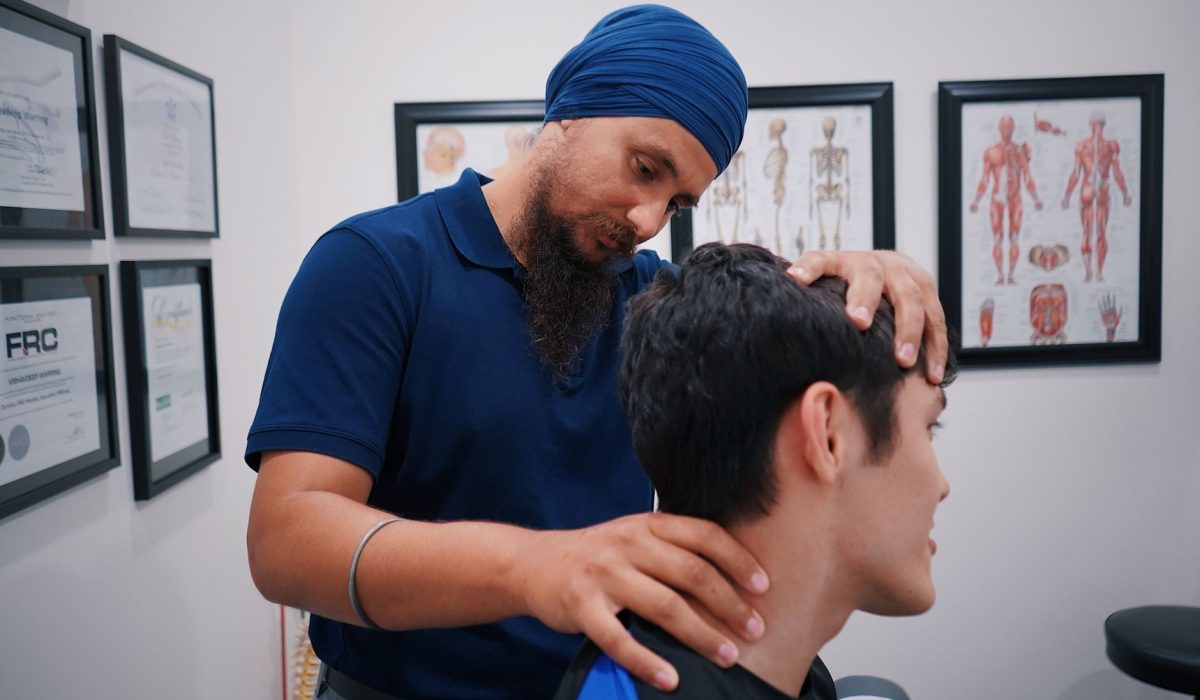
Sciatica is a common condition that causes pain radiating from the lower back through the buttock and down one leg due to irritation or compression of the sciatic nerve. Depending on its severity, it can make everyday activities such as walking, sitting, driving and sleeping uncomfortable, while also affecting work and overall quality of life. Although many cases improve with rest and conservative care, persistent, worsening or severe symptoms may require medical attention to address the underlying cause.
A pain management doctor can assess your symptoms, identify the source of the nerve irritation and recommend appropriate non-surgical treatments to help relieve pain and improve function. If you are looking for a pain management doctor in Singapore, seeking an early assessment may help you explore treatment options before your symptoms become more difficult to manage.
What Causes Sciatica?
Sciatica is not a condition itself but a symptom caused by irritation, inflammation or compression of the sciatic nerve, which is the largest nerve in the body. The most common cause is a slipped (herniated) disc, where disc material presses against a nerve root. Other possible causes include spinal stenosis, which narrows the spaces within the spine, degenerative disc disease, bone spurs and, less commonly, piriformis syndrome, where the piriformis muscle irritates the sciatic nerve.
Because these conditions affect the nerve in different ways, an accurate diagnosis is essential. Identifying the underlying cause helps determine the most appropriate treatment plan, whether that involves medications, physiotherapy, image-guided injections or other non-surgical approaches.
When Should You See a Pain Management Doctor for Sciatica?
While mild sciatica may improve within a few weeks, you should consider seeing a pain management doctor if your symptoms persist, become more severe or interfere with your daily activities. Pain that radiates from the lower back into the buttock and leg, numbness or tingling, muscle weakness, or difficulty standing, walking or sitting for extended periods may indicate ongoing nerve irritation that requires further evaluation.
During your consultation, the doctor will review your medical history, assess your symptoms and perform a physical examination. If needed, imaging tests such as X-rays or MRI scans may be recommended to identify the underlying cause and determine the most suitable non-surgical treatment options.
Non-Surgical Treatments a Pain Management Doctor May Recommend
Treatment for sciatica is tailored to the underlying cause, the severity of your symptoms and how long you have been experiencing pain. For many people, non-surgical treatments can effectively relieve pain, improve mobility and support recovery without the need for an operation. A pain management doctor may recommend one or more of the following:
- Medications: Pain relievers, anti-inflammatory medications or other prescribed medicines may help reduce pain and inflammation, allowing you to stay active during recovery.
- Activity modification: Avoiding activities that aggravate the sciatic nerve while maintaining gentle movement can help prevent stiffness and promote healing.
- Physiotherapy: A structured rehabilitation programme can improve flexibility, strengthen the muscles supporting the spine and reduce pressure on the affected nerve.
- Lifestyle changes: Maintaining a healthy weight, improving posture and practising proper lifting techniques may reduce strain on the lower back and lower the risk of recurring symptoms.
Many patients benefit from a combination of these treatments rather than a single approach.
Interventional Treatments for Persistent Sciatica
When sciatica does not improve with conservative treatments, a pain management doctor may consider minimally invasive procedures to help reduce pain and inflammation. These treatments are usually performed with image guidance to improve accuracy and target the affected area more precisely. Depending on the cause of your symptoms, options may include:
- Epidural steroid injections: Medication is injected into the epidural space around the spinal nerves to help reduce inflammation and relieve pain caused by nerve irritation.
- Selective nerve root blocks: A targeted injection near a specific nerve root can help reduce pain and may also help identify the source of nerve-related symptoms.
- Facet joint injections: If nearby spinal joints contribute to back pain alongside sciatica symptoms, injections may be considered to reduce discomfort.
- Radiofrequency ablation: For selected patients with specific sources of chronic spinal pain, this procedure uses heat energy to disrupt pain signals from affected nerves.
These treatments are not suitable for everyone and are recommended based on the individual’s diagnosis, symptoms and response to other therapies.
Can Sciatica Be Managed Without Surgery?
Many people with sciatica can experience significant improvement through non-surgical treatments, especially when the underlying cause is identified early and managed appropriately. A pain management doctor will consider factors such as the severity of nerve compression, duration of symptoms, overall health and response to previous treatments when developing a treatment plan.
The recovery process may involve a combination of approaches, including:
- Reducing inflammation and pain: Medications or targeted treatments may help control symptoms and make daily activities more manageable.
- Improving movement and strength: Physiotherapy and guided exercises can support spinal stability and reduce strain on the affected area.
- Preventing recurring symptoms: Lifestyle adjustments, proper posture and strengthening exercises may help maintain long-term spinal health.
However, surgery may still be considered in certain situations, such as progressive muscle weakness, significant loss of nerve function, loss of bladder or bowel control or persistent severe pain that does not improve despite appropriate treatment.
Conclusion
Sciatica can affect your daily comfort, mobility and overall quality of life, but many patients can manage their symptoms with appropriate non-surgical treatments. A proper assessment can help identify the cause of your pain and determine suitable options, which may include medication, rehabilitation, injections or other pain management approaches.
If you are experiencing persistent back pain, leg pain, numbness or tingling, consider speaking with our doctor, at: