Forklifts have become an essential part of modern business operations, helping companies move, store, and manage materials more efficiently. Although forklifts are often associated with warehouses and construction sites, their applications extend across many industries, including manufacturing, retail, agriculture, logistics, and even technology-driven distribution centers. With improvements in design, automation, and safety features, forklifts continue to play a critical role in increasing productivity and reducing the physical demands placed on workers.
Material Handling and Warehouse Operations
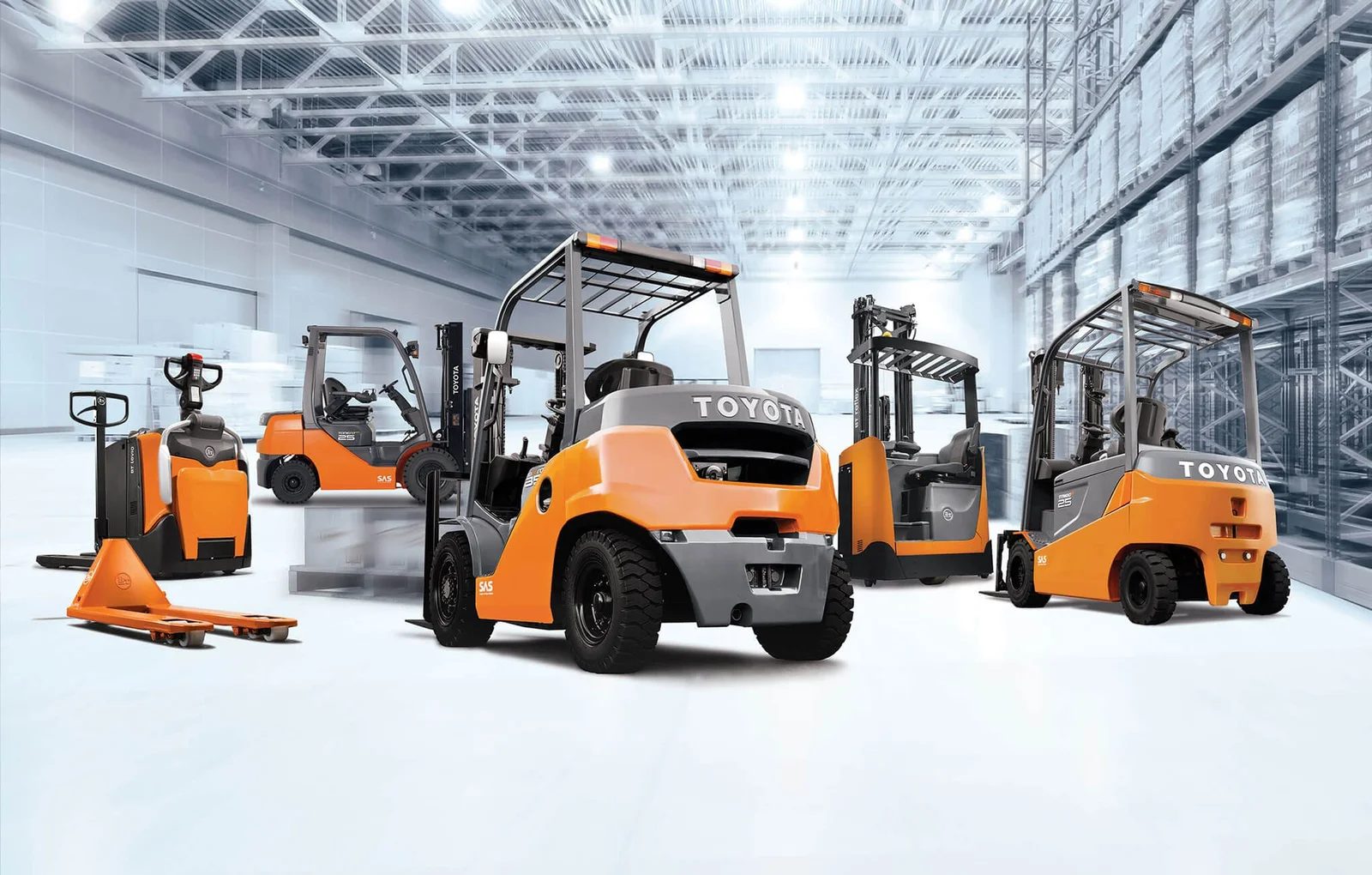
One of the most common uses of forklifts is in warehouses, where they are used to transport, lift, and organize goods. Modern warehouses often store thousands of products in tall racking systems, making forklifts necessary for accessing items stored at different heights. Counterbalance forklifts, reach trucks, and pallet trucks allow businesses to move large quantities of inventory quickly and safely.
As businesses expand their warehouse operations, many companies look for a reliable forklift sale to invest in equipment that improves efficiency, increases storage capacity, and supports long-term material handling needs.
In distribution centers, forklifts help load and unload delivery vehicles, move pallets between storage areas, and prepare orders for shipment. Their ability to handle heavy loads reduces the time required for manual movement and allows businesses to operate larger facilities with greater efficiency.
Manufacturing and Production Facilities
Manufacturing businesses rely heavily on forklifts to support production processes. Factories often require a constant supply of raw materials, components, and finished products to keep operations running smoothly. Forklifts transport materials such as metal, plastic, wood, and machinery parts from storage areas to production lines.
In industries such as automotive manufacturing, forklifts are used to move large components, including engines, body panels, and equipment. In food and beverage production, specialized forklifts help transport packaged goods and ingredients while meeting hygiene and safety requirements.
By improving the flow of materials throughout a factory, forklifts help reduce delays, improve workflow, and increase overall productivity.
Construction and Building Projects
The construction industry is another major user of forklifts. Construction sites often involve moving heavy materials such as bricks, steel beams, concrete blocks, timber, and tools. Forklifts provide a practical solution for lifting and transporting these materials across demanding environments.
Rough-terrain forklifts are specifically designed for outdoor construction work. They feature stronger tires, increased stability, and the ability to operate on surfaces such as gravel, dirt, and unfinished ground. These machines help construction teams complete projects more efficiently while reducing the risks associated with manually handling heavy materials.
Retail and Supermarket Operations
Retail businesses also benefit from forklift technology, especially large stores, supermarkets, and retail distribution centers. Forklifts are used to move stock from delivery trucks into storage areas and replenish shelves with products.
Behind the scenes, large retail warehouses depend on forklifts to manage inventory and prepare goods for stores. Seasonal periods, such as holidays or major sales events, often require businesses to handle increased volumes of products, making forklifts essential for maintaining fast and reliable operations.
Transportation and Logistics
The growth of global trade and online shopping has increased the demand for efficient logistics systems. Forklifts are a key part of supply chains, helping businesses move goods between manufacturers, warehouses, ports, and customers.
At shipping terminals and freight facilities, forklifts are used to load and unload trucks, containers, and rail shipments. Specialized forklifts can handle large or unusual loads, allowing companies to transport goods more effectively.
E-commerce businesses especially depend on forklifts to manage fast-moving inventory. Distribution centers must process thousands of orders daily, and forklifts help workers move products quickly through receiving, storage, and shipping areas.
Agriculture and Farming
Forklifts have become increasingly useful in agriculture, where they assist with handling crops, equipment, and supplies. Farms and agricultural businesses use forklifts to move pallets of produce, bags of fertilizer, animal feed, and farming machinery.
Special attachments allow forklifts to perform different tasks, such as carrying large containers, handling bulk materials, or moving specialized agricultural loads. This versatility makes forklifts valuable tools for improving efficiency on modern farms.
Waste Management and Recycling
Waste management companies use forklifts to handle recyclable materials, waste containers, and processed materials. Recycling facilities often require machines capable of moving heavy loads safely and efficiently.
Forklifts equipped with appropriate attachments can move compressed recycling bales, large containers, and other materials that would be difficult to handle manually. Their use helps improve workplace safety and speeds up recycling operations.
Cold Storage and Food Industries
Cold storage facilities and food distribution centers have unique operational requirements, and forklifts play an important role in these environments. Businesses storing frozen foods, dairy products, and fresh produce use forklifts to move temperature-sensitive goods while maintaining organized inventory systems.
Electric forklifts are often preferred in food-related environments because they produce fewer emissions and operate more quietly than traditional fuel-powered models. This makes them suitable for indoor spaces where cleanliness and air quality are important.
Modern Technology and Automation
Technology has transformed the role of forklifts in business. Many modern companies are adopting automated guided vehicles (AGVs) and autonomous forklifts that can move materials with minimal human involvement. These systems use sensors, cameras, and software to navigate facilities and improve accuracy.
Smart forklifts can also collect operational data, monitor performance, and help businesses identify ways to improve efficiency. As companies continue investing in automation, forklifts are becoming an important part of advanced warehouse and manufacturing systems.
Improving Workplace Safety
Beyond improving productivity, forklifts contribute to workplace safety when properly operated. Moving heavy loads manually can increase the risk of injuries, while forklifts allow trained operators to handle materials more safely.
Modern forklifts include features such as improved visibility, stability controls, warning systems, and ergonomic designs that reduce operator fatigue. Businesses that provide proper training and maintenance can use forklifts to create safer working environments.
Forklifts are much more than simple lifting machines. They are versatile tools that support a wide range of industries, from manufacturing and construction to retail, agriculture, and logistics. As businesses continue to grow and adopt new technologies, forklifts will remain an important part of efficient material handling and supply chain management.
With advances in automation, safety, and energy efficiency, the future of forklift technology will continue to help companies improve productivity while creating safer and more organized workplaces. Whether moving products in a warehouse or supporting large-scale industrial operations, forklifts remain a vital asset in modern business.