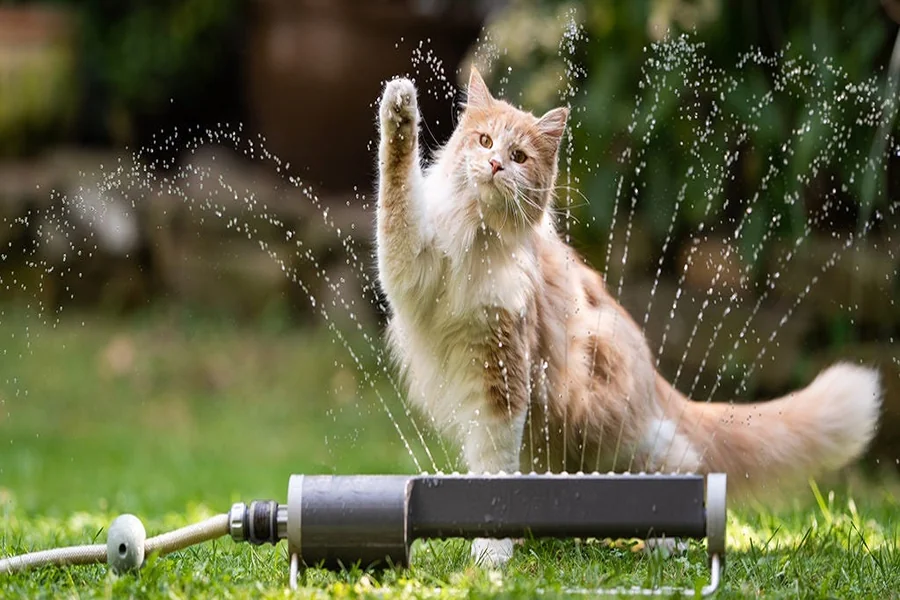
Families like spending time with their dogs throughout the summer. Longer days include more park visits, hikes, and outdoor games. But scorching temperatures may sometimes put animals in danger. High temperatures can cause burnt paws, heat exhaustion, dehydration, and other health issues. Before spending time outside, every pet owner should understand how to lessen these risks. You can choose the safest time to go for walks or play by looking up weather data before going outside. It is frequently considerably colder in the early morning and late evening than in the middle of the day. Shade, fresh water, and thoughtful preparation may all have a significant impact. Owners must make safe decisions for their pets. You can keep your pet healthy and comfortable during the summer while still engaging in a variety of outdoor activities by keeping an eye on the weather and their requirements.
Find below five ways to protect pets during summer weather.
Keep fresh water within reach
When it comes to protecting oneself from summer heat, water is essential. When pets spend time outside, they lose water fast. They require cold, clean water all day long. Refill their dish frequently, particularly if it is left outside.
When you travel or go on walks, always have a portable water bottle and bowl with you. Before and after engaging in outside activities, encourage your pet to get a drink. Give your pet water straight away and allow them to relax if they appear exhausted or are panting more than normal.
Plan outdoor time wisely
Typically, the late morning and early evening hours are the warmest. The sun might become too intense for many pets during these hours. Take your dog for a walk in the morning or after sunset. Consider choosing shaded pathways whenever possible. On really hot days, shorter treks are frequently safer. Pets may be kept busy with indoor games without being exposed to hazardous heat.
Keep an eye out for any indications of overheating in your pet. Never disregard weakness, disorientation, drooling, or heavy panting. If these symptoms show up, move them right away to a cool location.
Protect their paws
Your pet’s paw pads can be easily burned by hot pavement, highways, and sand. Put the back of your hand on the pavement for a few seconds before you step outdoors. If you find it too hot, your pet will also find it too hot. Whenever feasible, take a stroll on grass. If your pet feels comfortable wearing them, you may also utilize protective pet boots.
Examine the paws for blisters, wounds, or redness after every stroll. Remove any debris or tiny stones that could get caught in the spaces between the pads. Pets who have healthy paws are more comfortable all summer long.
Create a cool resting space
Pets want a cool spot to unwind after being outside. When feasible, use air conditioning or fans to provide adequate ventilation in interior spaces. To lessen interior heat during the warmest times of day, close the drapes. Provide a cool, shaded space for your pet if they spend time outside. A cooling mat or elevated bed can improve the comfort of resting.
Never leave a pet in a parked car, not even for a short while. The temperature inside an automobile can climb dangerously fast. Pets may be comfortable and recuperate from heat in a secure resting area.
Pay close attention to health changes
Each pet responds to summer weather in a unique way. In the heat, older dogs, young pups and kittens, and animals with medical issues may find it more difficult. Every day, keep an eye out for behavioral shifts. Heat stress symptoms include fatigue, nausea, heavy panting, bright red gums, or difficulty walking. Contact a veterinarian right away if your pet’s symptoms do not go away after being moved to a cooler location.
Many dogs, particularly those with thick coats, can maintain their comfort with regular grooming. However, since many coats naturally shield dogs from the sun and heat, avoid shaving them entirely unless your veterinarian instructs you to do so.
The conclusion
With proper care, summertime can be fun for both owners and their dogs. Heat-related dangers can be decreased by fresh water, cooler walking periods, safe surfaces, cozy resting places, and close monitoring. You can maintain your pet’s health, comfort, and readiness for every summertime adventure by implementing little daily routines.