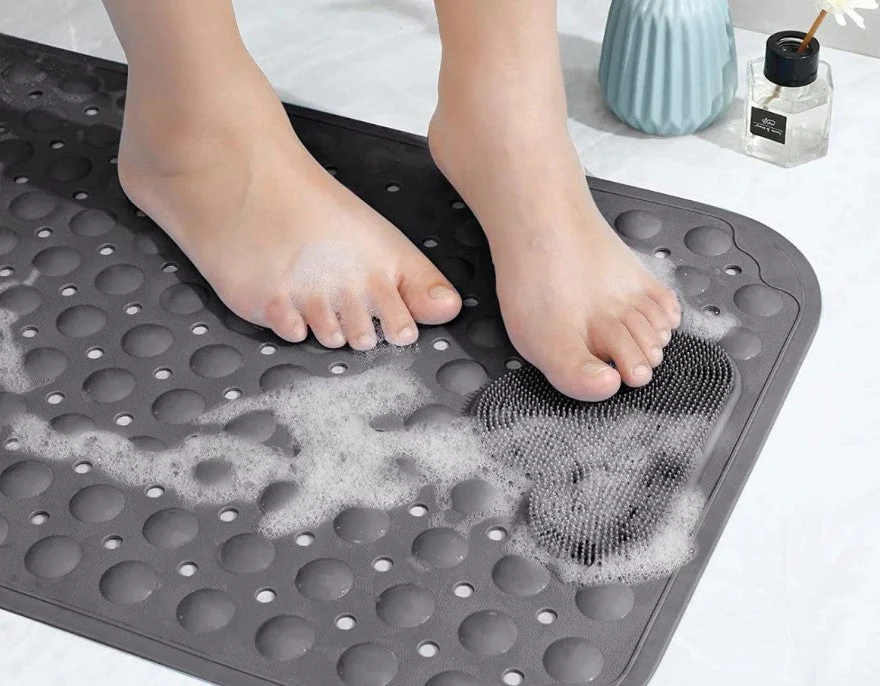
Non-slip rubber mats play a crucial role in enhancing safety across various environments, particularly in areas prone to moisture and spills. The primary function of these mats is to provide traction, reducing the risk of slips and falls, which are among the leading causes of workplace injuries. According to the National Safety Council, slips, trips, and falls account for a significant percentage of workplace accidents, leading to lost workdays and increased insurance costs.
By incorporating non-slip rubber mats into high-risk areas, businesses can mitigate these risks effectively, creating a safer environment for employees and customers alike. Moreover, the importance of non-slip rubber mats extends beyond mere safety; they also contribute to overall comfort and functionality. In settings such as kitchens, gyms, and industrial workplaces, standing for extended periods can lead to fatigue and discomfort.
Non-slip rubber mats are designed not only to prevent slips but also to provide cushioning underfoot, which can alleviate stress on joints and muscles. This dual functionality makes them an essential addition to any space where safety and comfort are priorities. The combination of slip resistance and ergonomic support can significantly enhance productivity and well-being in both commercial and residential settings.
Where to Use Non-Slip Rubber Mats
Commercial Kitchens
One of the most common applications is in commercial kitchens, where spills from food preparation and cooking can create hazardous conditions. The presence of water, oil, or other liquids on the floor increases the likelihood of accidents. By placing non-slip rubber mats in these areas, kitchen staff can work more safely and efficiently, minimizing the risk of injury while navigating busy environments.
Gyms and Fitness Centers
Non-slip rubber mats are ideal for use in gyms and fitness centers. These facilities often experience high foot traffic and may have sweat or water on the floors from exercise routines. Mats designed for gym use not only provide traction but also help absorb shock during workouts, reducing the impact on joints. Furthermore, they can delineate specific workout areas, ensuring that users remain within designated zones while exercising.
Other Suitable Locations
Other suitable locations include entryways, bathrooms, and industrial settings where heavy machinery is operated. In each of these environments, Warehouse safety mats serve as a critical line of defense against slips and falls.
Choosing the Right Non-Slip Rubber Mats
Selecting the appropriate non-slip rubber mat requires careful consideration of several factors to ensure optimal performance and safety. First and foremost, one must assess the specific environment in which the mat will be used. For instance, mats intended for outdoor use should be weather-resistant and durable enough to withstand exposure to the elements.
Conversely, indoor mats may prioritize comfort and aesthetic appeal while still providing slip resistance. Another critical aspect to consider is the texture of the mat’s surface. Different textures offer varying levels of grip; for example, a deeply textured surface may provide superior traction in wet conditions compared to a smoother finish.
Additionally, thickness plays a role in both comfort and durability. Thicker mats can offer more cushioning but may be more challenging to clean or move. It is also essential to evaluate the mat’s size and shape to ensure it fits well within the designated area without creating tripping hazards at the edges.
By taking these factors into account, one can select a non-slip rubber mat that meets both safety requirements and functional needs.
Benefits of Non-Slip Rubber Mats
The advantages of non-slip rubber mats extend beyond their primary function of preventing slips and falls. One significant benefit is their ability to enhance hygiene in various environments. Many non-slip rubber mats are designed with antimicrobial properties that inhibit the growth of bacteria and mold, making them particularly suitable for use in healthcare facilities or food service areas.
This feature not only promotes a cleaner environment but also contributes to overall public health by reducing the risk of contamination. In addition to hygiene benefits, non-slip rubber mats are often easy to clean and maintain. Most mats can be simply hosed down or wiped with a damp cloth, making them practical for busy environments where cleanliness is paramount.
Their durability also means they can withstand heavy foot traffic without showing signs of wear and tear quickly. This longevity translates into cost savings over time, as businesses will not need to replace mats frequently. Furthermore, many non-slip rubber mats come in various colors and designs, allowing organizations to choose options that align with their branding or aesthetic preferences while still prioritizing safety.
Maintenance and Care of Non-Slip Rubber Mats
Proper maintenance is essential for ensuring that non-slip rubber mats continue to perform effectively over time. Regular cleaning is crucial; dirt, grease, and other debris can accumulate on the surface, diminishing their slip-resistant properties. Depending on the environment in which they are used, mats may require different cleaning methods.
For instance, in a commercial kitchen setting, it may be necessary to use degreasers or specialized cleaning solutions that effectively remove food residues without damaging the mat’s surface. In addition to routine cleaning, periodic inspections should be conducted to identify any signs of wear or damage. Cracks or tears can compromise the mat’s integrity and slip resistance.
If any issues are detected, it is advisable to replace the mat promptly to maintain safety standards. Furthermore, storing mats properly when not in use can extend their lifespan; rolling them up instead of folding can prevent creases that may lead to tripping hazards when laid out again.
Additional Safety Measures for Wet Areas
While non-slip rubber mats are an effective solution for enhancing safety in wet areas, they should be part of a broader safety strategy that includes additional measures. For instance, proper drainage systems should be installed in areas prone to water accumulation to minimize standing water on floors. This proactive approach reduces the likelihood of slips occurring in the first place.
Furthermore, signage indicating wet floors can serve as an important reminder for individuals to exercise caution in slippery areas. In conjunction with non-slip mats, these signs help raise awareness about potential hazards and encourage safe behavior among employees and customers alike. Training staff at wedding receptions on best practices for maintaining cleanliness and safety in wet areas is also vital; educating them about promptly addressing spills or leaks can significantly reduce accident rates.
Incorporating these additional safety measures alongside non-slip rubber mats creates a comprehensive approach to slip prevention that enhances overall safety in various environments. By recognizing that no single solution is foolproof, organizations can foster a culture of safety that prioritizes both proactive measures and effective responses to potential hazards.