

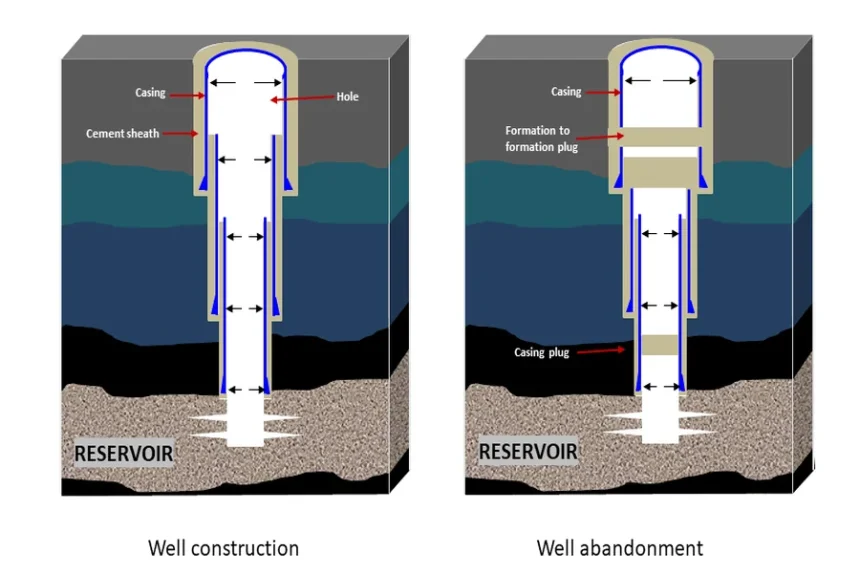
The Role of Cement Bond in Well Integrity
Reinforcing the foundation of every oil, gas, or geothermal well, the cement bond is what creates a dependable seal between the steel casing and the surrounding rock formations. This barrier prevents fluids and gases from migrating between different underground layers, thereby safeguarding water sources and the broader environment from contamination. A well-bonded cement sheath also anchors the casing firmly, preventing movement that could weaken the structure or cause accidental leaks over time. The stakes are high—a poor cement bond can lead to production loss, regulatory penalties, or even catastrophic failure.
Industry experts widely recognize that strong cement bonding translates to fewer downhole interventions, minimized non-productive time, and more consistent well performance throughout its operational lifespan. Modern drilling projects often involve challenging conditions that place extra strain on well components. For professionals seeking to deepen their cement bond insight, exploring the nuances of current techniques is essential for striking a balance between productivity and environmental responsibility. Minor improvements to cementing practices made early in the well’s life can prevent significant, costly problems in years to come.
Key Techniques for Evaluating Cement Bond
As industry standards rise, so do expectations for cement bond verification. Accurate evaluation is a multi-pronged effort:
- Acoustic Logging: Acoustic logging specifically using sonic and ultrasonic tools—relies on the transmission of sound waves through the cemented wellbore. When the cement is well bonded, these waves travel at predictable speeds and amplitudes, producing clear signatures. Poor bonding, by contrast, disrupts the pattern, indicating possible channels for unwanted fluid communication. Engineers interpret these readings and utilize specialized software to develop a detailed map of bond quality, pinpointing precisely where remedial work may be required.
- Bond Logs: A cement bond log (CBL) is a specialized well log that visualizes the acoustic signals picked up by sensors as they move through the casing and cement. Zones showing a weak logarithmic response often align with incomplete or poorly set cement. Real-time CBLs offer a significant benefit by enabling on-the-spot decisions to improve cementing operations or initiate remedial cementing before more costly failures occur. As highlighted in Hart Energy’s report, advancements in CBL services have further enhanced wellbore integrity assessments by delivering more accurate evaluations under challenging downhole conditions.
- Pressure Testing: This approach is sometimes straightforward but crucial. By monitoring how segments of the well respond to controlled pressure, operators can quickly identify sections where gas or fluids are bypassing the cement barrier. Even minor anomalies during pressure testing are taken seriously, as undetected leaks can lead to more significant problems if left unchecked.
Professionals often find that a combination of these evaluation methods provides the most reliable results. A detailed analysis of acoustic logs, paired with periodic pressure tests, provides a more comprehensive picture than any single assessment alone. This layered approach aligns with industry best practices, especially when confronting deep, high-pressure, or unusually complex wells.
Best Practices During Cement Placement
A successful cement bond always begins with high-quality placement. The process is nuanced and subject to several variables, such as formation characteristics, wellbore conditions, and temperature gradients. Each step must be handled with precision:
- Thorough Mud Removal: Drilling mud, used for cooling and lubricating during drilling, must be thoroughly flushed out before cementing begins. Leftover mud forms a barrier that inhibits optimal bonding between the cement and the rock, thereby contributing to the formation of micro annuli.
- Tailored Cement Blend: Engineers carefully design cement blends based on compatibility with the subsurface environment. Factors like formation pressure, temperature, anticipated chemical exposure, and well trajectory all dictate which mix offers the best performance for the job.
- Real-Time Monitoring: As cement is pumped into the annulus, operators monitor flow rates, slurry densities, and system pressures using digital dashboards that instantly alert to any irregularities. Responsive action at this stage can avert channeling or loss-circulation issues that might later threaten the well’s success.
- Proper Curing Time: Rushing the curing phase can result in underdeveloped cement, making it prone to later failure. Allowing adequate hardening time prior to resuming operations is crucial for developing the mechanical strength and hydraulic isolation necessary over a well’s decades-long lifespan.
Focusing on these fundamental aspects during every cement job ensures the resulting bond withstands thermal cycles, pressure spikes, and movement within unpredictable geologies.
Common Cement Bond Challenges
Despite best efforts, even experienced teams contend with challenges posed by nature and engineering limitations. Fluctuating wellbore dimensions, complex formation fluids, and unexpected high-pressure zones often force mid-operation changes. Common problems include micro-annuli, which are minuscule gaps that allow fluids to channel behind the casing, and channels, larger, irregular passageways that compromise the seal. Unaddressed, these failures could result in anything from reduced sound output to the cross-flow of contaminants between formations.
Advancements in Non-Destructive Evaluation
The rapid adoption of non-destructive testing technology has significantly changed how operators evaluate cement bond integrity. Ultrasonic imaging now creates detailed cross-sectional and 3D images, helping to spot even minor inconsistencies in the casing-cement interface. Some systems stream data live from the downhole environment, giving teams unprecedented responsiveness to unforeseen events. These advances reduce the guesswork in assessing cement jobs, streamline regulatory reporting, and enable more proactive maintenance strategies.
A recent review on cement evaluation advances highlights a shift towards digital analytics, which allows for better benchmarking, trend analysis, and prediction of future performance based on prior cementing outcomes. This momentum is steering the industry away from reactive and toward preventative operational cultures.
Environmental and Safety Considerations
Beyond technical performance, cement bond evaluation is key to upholding environmental and public safety standards. A compromised cement sheath may allow hydrocarbons or saltwater to migrate into freshwater aquifers, with severe repercussions for local ecosystems and communities. Diligence in cement evaluation—through scheduled assessments and preemptive testing—mitigates these risks and supports a business’s social license to operate. Case histories abound with instances where rapid, data-informed responses to detected deficiencies spared operators enforcement actions or lengthy, expensive clean-ups.
In addition, the steady increase in environmental regulations worldwide adds another layer of accountability, making systematic cement evaluation not just an operational necessity but a core component of ethical resource development.
Data-Driven Decision-Making in Well Integrity
The integration of digital tools is transforming well design and management into a truly data-driven science. Digital twin models virtual mirror of the actual well enable simulation of cement placement outcomes under various scenarios. Machine learning platforms pull insights from a vast dataset of previous wells, flagging tell-tale markers for expected weaknesses before they escalate. This “predict and prevent” approach leverages both historical and real-time data, enhancing field response, reducing downtime, and increasing the likelihood of long-term well integrity.
The move to centralized, collaborative platforms also means cross-disciplinary teams can access and interpret cement bond data from anywhere, ensuring the right expertise is engaged whenever anomalies are detected and helping operators stay agile in the face of escalating operational demands.
The Future of Cement Bond Evaluation
Looking ahead, cement bond evaluation is poised for still greater change. Smarter, more robust sensors will push analytical detail to new levels, helping organizations spot even the most subtle developing fault lines before they become serious. As automated evaluation tools become more prevalent, field crews will gain more actionable, real-time feedback that directly supports safety-driven decisions. The continuous feedback loop between field data and research will allow standards to evolve quickly and reliably.
Stakeholders—from engineers and data scientists to environmental regulators—will play constantly expanding roles in setting new benchmarks for well integrity. Maintaining awareness of these changes ensures every player, From contractors to compliance teams, is prepared to implement the best practices of tomorrow in their operations today, as highlighted by eeetimes.


