Gum disease, medically referred to as periodontal disease, ranks among the most prevalent yet frequently underrecognized dental health challenges facing adults today. Despite its high incidence, many people overlook early warning signs, mistakenly believing that their oral health is secure until serious symptoms emerge. This often results in the irreversible damage of gum tissue or even tooth loss—outcomes that are both preventable and costly to treat. By increasing awareness and understanding of gum disease, you not only arm yourself with the tools necessary for defense but also learn the importance of consistent oral care and regular dental check-ups. Accessing preventive resources, such as New York dental coverage with Delta Dental, is an important step, making proactive dental care more accessible and reducing anxiety about future expenses.
Empowerment through education is the first line of defense against gum disease. When you become familiar with symptoms and risk factors, you lay the groundwork for lifelong gum health. Developing a proactive mindset allows you to act swiftly when you notice the smallest indication of gum trouble. Furthermore, knowing what preventive measures and insurance options are available can give you peace of mind and access to care when you need it most. Early action, a commitment to professional dental visits, and comprehensive coverage are crucial strategies for safeguarding your gums and your overall well-being from the damaging effects of this silent yet serious condition.
Early Warning Signs of Gum Disease
Identifying the characteristics of early-stage gum disease can mean the difference between easily reversible conditions and serious, long-term dental issues. The earliest symptoms are often subtle, and because they are rarely painful, many people discount them as insignificant. However, staying alert to these changes in your gums is essential for maintaining optimal oral health. Here are some key signs you should never ignore:
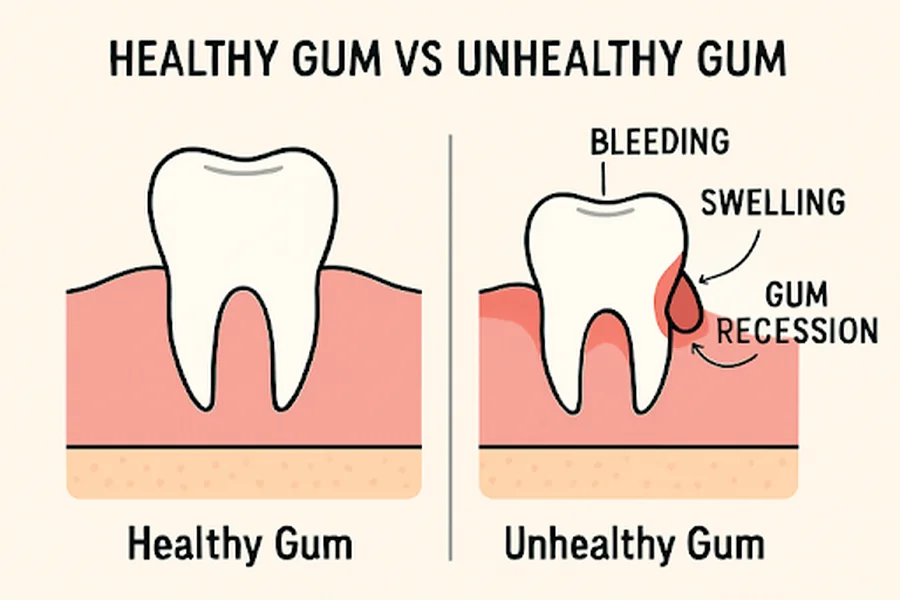
Bleeding Gums: Gums that bleed during routine brushing or flossing aren’t just a minor inconvenience; they can be one of the very first signs of gingivitis or underlying infection. Even if the bleeding is light or sporadic, it is crucial to note and communicate this to your dental provider, as healthy gums should not bleed even with gentle care.
Persistent Bad Breath: Everyone experiences bad breath from time to time, typically after eating pungent foods or upon waking. However, if you find yourself dealing with chronic bad breath despite brushing and using mouthwash, it could be a sign that bacteria are thriving beneath your gum line, producing unpleasant odors as they break down food and tissue.
Red, Swollen, or Tender Gums: Gums that look puffier or feel tender to the touch are often reacting to the presence of plaque and bacterial toxins. This inflammation can be subtle at first, but if left untreated, it worsens over time, setting the stage for further gum deterioration.
Receding Gums: Have you noticed your teeth appearing longer than before, or can you see more of your tooth’s surface? Gum recession is a telltale sign of periodontitis, the advanced form of gum disease. This process exposes the roots of your teeth, making them more susceptible to sensitivity, decay, and eventual loosening.
Loose or Shifting Teeth: If your teeth begin to feel loose, shift out of their usual alignment, or if you notice changes in the way your teeth fit together when you bite, it is a serious indicator that the foundations supporting your teeth—bone and gum—are compromised. Don’t wait to seek help if you notice these advanced symptoms.Stages of Gum Disease
Gum disease progresses through several well-defined stages, each more damaging than the last if left unchecked. Recognizing and understanding these stages not only underscores the need for early intervention but also highlights the benefits of consistent preventive care:
- Gingivitis: The earliest form of gum disease, gingivitis is marked by red, swollen gums and occasional bleeding. The good news is that, at this point, the effects are reversible with thorough oral hygiene and a professional dental cleaning. Acting quickly when you notice these symptoms can spare you from more severe stages.
- Early Periodontitis: During this stage, the inflammation extends deeper, beginning to affect the supporting bone structure. Mild bone loss may be detected by your dentist, and symptoms such as gum recession and tooth sensitivity become more noticeable. Persistent neglect during this stage can lead to further progression.
- Moderate Periodontitis: At this stage, the tissue and bone supporting the teeth are more severely damaged. Gum pockets become deeper and may fill with infection, while teeth may feel loose as their anchoring structures are weakened. Consistent symptoms, such as pain, bleeding, and bad breath, can occur more frequently.
- Advanced Periodontitis: The most severe stage, advanced periodontitis can result in intense pain, significant bone loss, deep gum pockets filled with pus or infection, and eventually, tooth loss. At this point, the risk for broader health impacts such as heart disease rises due to the potential for bacteria to enter the bloodstream.
Risk Factors for Gum Disease
While anyone can develop gum disease, some individuals face a higher risk due to lifestyle habits, genetics, or medical conditions. Being aware of these risk factors lets you tailor your oral health habits to your unique needs:
- Poor Oral Hygiene: Inadequate brushing and flossing allow plaque to harden into tartar, facilitating the buildup of harmful bacteria that inflame the gums and lead to infection.
- Smoking: Tobacco use is a substantial risk factor. Not only does it reduce blood flow and impair healing, but it also weakens your body’s natural ability to fight gum infections, making treating and reversing gum disease much harder for smokers.
- Diabetes: Elevated blood sugar compromises immune system function and makes it harder for the body to fight infections, increasing both the likelihood and severity of gum disease in those with diabetes.
- Hormonal Changes: Life events such as pregnancy, menstruation, and menopause involve fluctuation in hormone levels that can make gum tissue more sensitive and prone to inflammation even with unchanged oral hygiene habits.
- Genetics: Family history also plays a part. If close relatives suffer from gum disease, your own risk is higher, even if you maintain excellent oral care. Discussing your family dental history with your provider can help shape a more targeted prevention strategy.
Preventive Measures
Preventing gum disease is fundamentally about being mindful and making a daily commitment to oral hygiene. These steps, while simple, are incredibly effective when performed consistently:
- Regular Brushing and Flossing: Brushing twice a day with fluoride toothpaste and flossing at least once daily are essential for removing the buildup of plaque that triggers gum disease. Don’t forget to use proper technique and ensure that you clean along the gumline, where bacteria tend to accumulate.
- Routine Dental Check-Ups: Visiting a dentist every six months helps catch minor issues early. Professionals use special tools to remove tartar and can recommend personalized care routines, setting you up for long-term success.
- Healthy Diet: Your nutrition has a direct impact on your oral health. Eating foods rich in vitamins and minerals, while limiting sugary snacks and beverages, strengthens gum tissue and reduces the fuel available to harmful bacteria.
- Avoid Tobacco Products: If you use tobacco, quitting is one of the best things you can do for your gums. Every attempt to stop brings you closer to healthier, more resilient gum tissue and lowers your risk for future problems.
When to Seek Professional Help
If you observe any early indicators of gum disease—whether it be gum bleeding, persistent redness, bad breath that won’t go away, or receding gums—take action right away. Early intervention enables easier, more effective, and less expensive treatment. Your dentist can perform thorough evaluations, cleanings, and provide guidance specific to your needs. Don’t wait for discomfort or advanced symptoms; proactive care pays off in the long run.
Preventive dental visits remain important even if you are not experiencing symptoms. Regular check-ups help your dentist catch issues that may be hidden to the untrained eye, preventing them from escalating.
Additional Resources
To deepen your knowledge and stay up to date on the best practices for gum health, consult the following reputable resources:
- Learn more about the early symptoms of gum disease and protective measures at the University of Illinois Chicago College of Dentistry.
- Read in depth about the progression and effective management of gum disease in this AOL Lifestyle article on gum disease.
By learning to recognize symptoms early, establishing a customized oral hygiene routine, and utilizing preventive dental care regularly, you can set yourself up to enjoy not only a bright, healthy smile but also improved overall health for many years. Gum disease doesn’t have to threaten your smile—take action today to protect your gums and preserve your teeth for life.