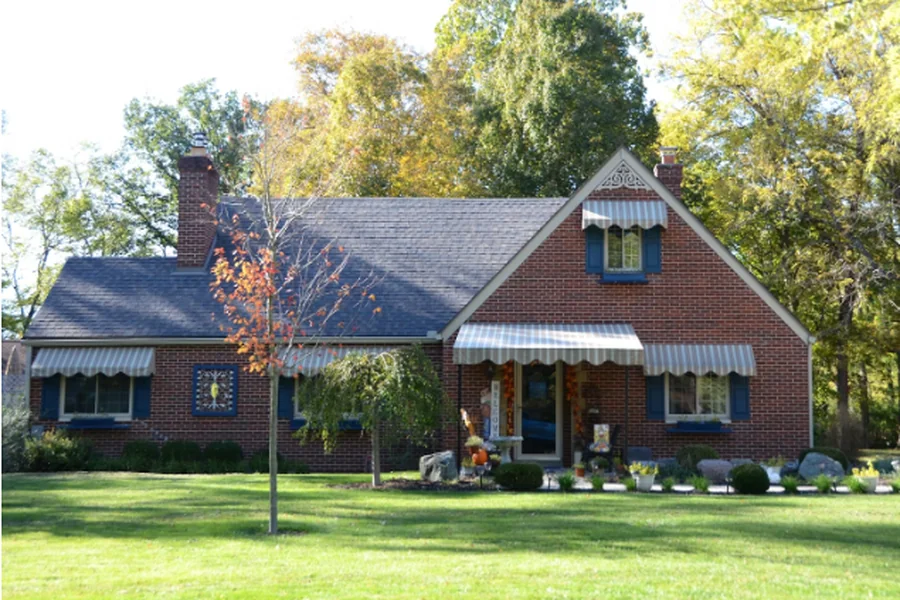
Purchasing a coastal home fulfills the dream of waking to sweeping ocean views and enjoying a tranquil, resort-like lifestyle. However, before making what’s often a significant investment, understanding the unique challenges and considerations of buying near the water is crucial. Whether you’re looking at classic beachfront cottages or luxury estates, selecting from homes for sale in Hilton Head Island SC or other coastal gems requires a thoughtful approach to ensure your property fits both your aspirations and your practical needs.
Coastal living comes with particular responsibilities related to nature, regulations, and long-term property care. Buyers who take a cautious and well-informed approach avoid costly oversights and buy with confidence. Comprehensive due diligence, paired with advice from trusted professionals, can make all the difference in satisfaction and security.
Assess Structural Integrity
Coastal homes endure far more than just salty breezes and beautiful sunsets they face heavy rain, intense sunlight, salt-air corrosion, and storm-driven winds. When touring potential homes, be sure to inspect for construction methods and materials proven resilient in these environments. Reinforced concrete, specialty coastal wood, and hurricane straps or tie-downs for roofs are vital components. Ask for foundation details; deeper pilings and erosion-resistant footings protect against shifting sands and rising waters. A licensed inspector with coastal experience will have a checklist to catch issues that a standard inspector might miss.
Saltwater can accelerate the decay of metals and untreated wood, making even minor repair issues a top priority. Strong, impact-resistant windows and well-sealed doors are essential for hurricane preparedness and energy efficiency. Many buyers opt for homes with elevated construction, not just for the view, but to minimize flood risk.
Understand Local Regulations
Regulations in coastal areas are typically more stringent than in inland locations due to environmental preservation and risk management. Coastal zones may have special building codes determining everything from maximum height to roof material, alongside setback requirements to protect against erosion and maintain sightlines. Learn about critical area protection rules and whether your planned renovations will be restricted by zoning or conservation efforts. The local planning authority’s office is the best place to clarify these details, or you may consult your real estate agent for clear guidance.
Historic districts or wildlife-sensitive regions often enforce even stricter rules, impacting everything from fencing to exterior color. Some coastal communities have active homeowner associations (HOAs) with their own standards and amenities, which may influence your decision to buy or modify. Always request a copy of community covenants, conditions, and restrictions before submitting an offer.
Evaluate Insurance Needs
Insurance on coastal homes is fundamentally different and often substantially more expensive than for non-coastal properties. Standard homeowners’ insurance usually doesn’t cover flood or windstorm damage, both of which are critical concerns for waterfront homes. Investigate the full spectrum of necessary protections, often including separate flood, wind, and excess hurricane riders. The National Flood Insurance Program (NFIP) and private providers have varying coverage and rate structures depending on location and floodplain status. Consult with an insurance professional well-versed in coastal policies to avoid gaps in coverage, ensuring you aren’t blindsided by exclusions or premium surprises after closing.
Consider Maintenance Requirements
Maintaining a coastal property means anticipating repairs and acting proactively. The humid, salty environment corrodes exterior fixtures, metal finishes, and mechanical systems. Schedule frequent inspections for any signs of leaks, wood rot, or peeling paint, and clean salt residue off all surfaces regularly. Pay particular attention to moisture intrusion at doors and windows, as it can lead to extensive mold growth or structural decay if left unchecked. As part of your budgeting process, set aside funds for both ongoing preventive maintenance and unforeseen repairs after major weather events.
Work with Experienced Professionals
An experienced coastal real estate agent does more than locate properties they interpret subtle location risks, advise on local service providers, and make you aware of quirks specific to oceanfront transactions. A veteran property inspector can diagnose storm or flood damage that might not appear in disclosure documents. Similarly, financial professionals who have worked with other coastal buyers will know which insurance products and legal structures (such as LLCs for vacation rentals) best fit your intentions. The expertise of a support team can prevent costly missteps and streamline your purchase process.
Assess Lifestyle Fit
The practical considerations of location, like distance from healthcare, grocery stores, or social venues, add up quickly. Spend time exploring the neighborhood during various weather and tourist seasons to determine if the pace and community match your vision of coastal living. Are you seeking a quiet retreat, or do you want to plug into a lively social scene? Proximity to marinas, golf courses, shopping, and walkable beaches can significantly impact satisfaction, especially if you plan to use the property year-round or as a rental.
Plan for Resale Value
Even if this is your “forever” home, market conditions and your needs may change. Coastal properties with well-maintained infrastructure, robust community support, and strong track records of environmental resilience hold value better and recover quickly after downturns. Monitor local trends and infrastructure projects that could enhance (or diminish) property values. Ask your agent for comparative sales and community insights, and consider whether your purchase has features that appeal broadly to multiple buyer segments.
Taking a thorough, strategic approach ensures your coastal home investment delivers years of enjoyment, security, and equity. By following these tips and consulting with the right experts, you can enjoy coastal living and peace of mind no matter which shoreline you choose.
Conclusion
Choosing the right coastal home is about balancing lifestyle dreams with smart, informed decision-making. By carefully evaluating structural integrity, understanding local regulations, planning for insurance and maintenance costs, and working with experienced coastal professionals, buyers can avoid common pitfalls and protect their investment. When you also consider long-term resale value and whether the community truly fits your day-to-day lifestyle, your purchase becomes more than a scenic escape it becomes a sustainable and rewarding asset. With thoughtful preparation and expert guidance, coastal homeownership can deliver both peace of mind and the unparalleled enjoyment of life by the water.