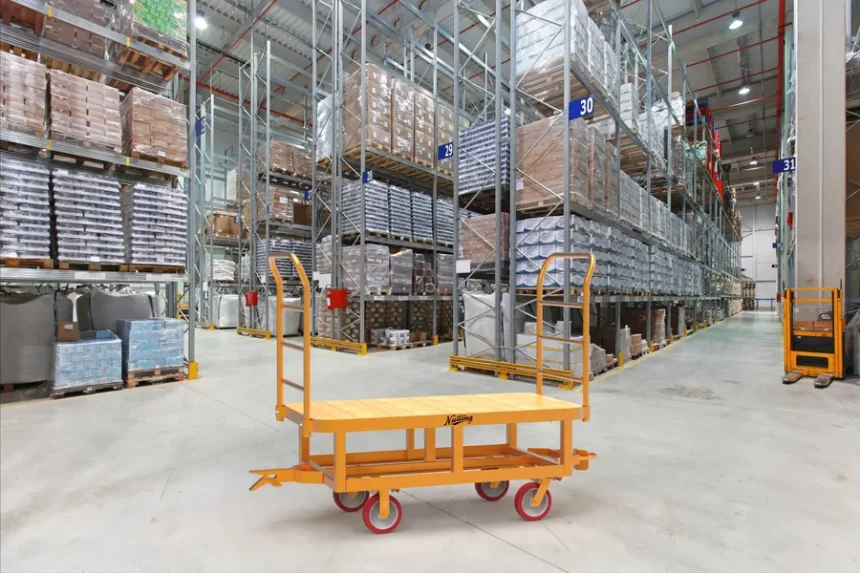
What Are Custom Utility Carts?
In today’s busy industrial environments, organizing and moving supplies, tools, and products efficiently often means the difference between success and setbacks. While mass-produced carts might suit some applications, many facilities need a more tailored approach. This is where the value of a custom utility cart becomes clear. Custom utility carts are designed to match individual workplaces’ exact specifications and workflow demands. Instead of retrofitting processes to fit a “one-size-fits-all” model, organizations can create carts with custom dimensions, storage features, handle placements, and wheel types to solve their unique challenges.
These custom configurations can include adjustable shelves, lockable compartments, and specialized materials that withstand harsh environments or comply with specific hygiene standards. In real-world applications, hospitals can easily maneuver carts carrying delicate medical instruments. At the same time, automotive factories can securely transport oddly shaped or heavy parts from one assembly station to another. A custom utility cart, therefore, becomes an extension of the workplace, seamlessly blending into any operational environment and dramatically boosting overall efficiency.
Benefits: Efficiency and Adaptability
Adopting custom carts has a direct benefit on productivity and workflow. These carts help eliminate wasted time searching for tools or making several trips back and forth across a facility. An adequately designed cart can save time and physical effort, allowing employees to focus on higher-value tasks. The ability to adapt carts to current workflows also supports lean manufacturing principles, reducing clutter and optimizing every movement on the factory floor. According to workplace ergonomics best practices, equipment designed with user input significantly reduces repetitive strain, lowers work-related injury rates, and increases employee morale.
Custom utility carts can also integrate features to enhance their versatility, such as removable bins, adjustable divider systems, and modular accessories. Facilities experiencing seasonal changes or production shifts find this adaptability incredibly cost-effective. For example, a warehouse preparing for peak shipping season can reconfigure existing carts instead of purchasing new ones, saving capital and storage space. Extending the equipment life cycle and reducing the need for multiple purchases make custom carts a wise investment.
Where Are Custom Utility Carts Used?
While custom carts are standard in industrial environments, their utility extends to various industries. In manufacturing, these carts are often used to shuttle materials between workstations, reducing handling time and minimizing the risk of product damage. Warehouses use them for picking, packing, and restocking goods, where specialized shelving and bin options help speed up order fulfillment. Carts are invaluable for safely transporting medications, sterile supplies, and even patient records throughout large campuses.
Educational settings and universities employ custom carts for building maintenance, groundskeeping, and food service, ensuring efficiency while navigating sprawling campuses. Hotels and restaurants use them in kitchens, banquet halls, and even for housekeeping. According to insights from material handling industry trends, this drive towards tailored solutions leads to shorter completion times, better accountability, and fewer workflow interruptions. No matter the industry, any process that involves moving materials can be fine-tuned with the help of a cart explicitly built for the job.
Key Design Considerations for Industrial Carts
Choosing the right cart design goes far beyond simply selecting a standard model from a catalog. Load capacity determines whether a cart can handle heavy parts or delicate instruments. Wheel size, tread type, and maneuverability dictate whether the cart glides smoothly across concrete, carpet, or tile. Ergonomic handles reduce wrist and back strain, especially for workers who push carts for several hours daily. Adjustable shelving and partitions add further customization, allowing the same cart body to be reconfigured for different types of loads, from large boxes to small parts trays.
Material selection is also critical. Stainless steel is ideal for food processing or hospital use, thanks to its ease of cleaning and corrosion resistance. Powder-coated steel or heavy-duty plastics make sense in settings where carts could be exposed to chemicals or moisture. Features like toe brakes, corner bumpers, and reinforced frames add extra layers of utility and protection, ensuring the cart holds up to daily wear and tear. Evaluating these details will pay dividends through improved productivity, reduced downtime, and safer operations.
Utility Carts and Workplace Safety
Using custom carts can substantially impact workplace safety, which is often a top concern in industries with high rates of injury from manual material handling. Purpose-built carts remove many risk factors, such as overloading, unstable loads, or repeated heavy lifting. Secure handles, locking wheels, and sturdy frames can help prevent tipping and accidents in high-traffic areas. By providing the right tool for the job, management conveys that worker safety is at the forefront.
Adhering to OSHA’s ergonomic recommendations further supports injury prevention. Carts designed in accordance with these standards reduce back, shoulder, and wrist injuries that are common in distribution centers and manufacturing plants. Over time, fewer injuries translate to less absenteeism, lower insurance costs, and greater staff satisfaction—each an important benefit that reinforces the value of thoughtful cart design. For more insights and best practices, visit allsimiles.
Recent Trends and Data on Material Handling
The landscape of material handling has seen significant innovation in recent years. According to industry insights, facilities that adopt modular and custom-built transport equipment report up to 30% faster task completion and greater worker satisfaction. Modern custom carts increasingly incorporate elements from the digital world, such as built-in Bluetooth trackers or digital checklists for operators.
Some facilities now experiment with hybrid carts that offer charging stations for power tools, mountable tablets for real-time inventory updates, or easy-clean antimicrobial surfaces for sterile applications. The combination of traditional utility and emerging technology shows the promising future of customized carts in supporting smarter, more agile business operations.
How to Choose a Cart for Your Facility
Selecting an ideal cart involves close evaluation of your operational reality and input from those interacting with the equipment daily. Identify the heaviest and most awkward loads your teams need to move. Plot out the cart’s typical routes and factor in potential obstacles such as tight doorways or uneven flooring. Environmental factors—like temperature extremes, exposure to moisture, or requirements for food-grade surfaces—also play a key role in cart selection.
Create a checklist to guide the decision-making process:
- Clarify maximum load weight and minimum shelf or compartment sizes.
- Map main traffic paths and identify turns, ramps, or space constraints.
- List all required or helpful features: casters that lock, modular bins, or electronic integration.
- Engage operators, supervisors, and safety officers for feedback to prevent overlooked requirements.
This collaborative and planned approach ensures your investment results in a cart that improves workflow, not just adds to equipment clutter.
Maintenance and Longevity Tips
Regular maintenance is necessary to keep your carts operating reliably day in and day out. Begin with scheduled inspections: check for loose bolts, damaged wheels or casters, and any sign of corrosion, especially in models exposed to moisture or chemicals. In environments that demand high hygiene, such as hospitals and food processing, cleaning carts after every use prevents contamination and helps extend unit lifespan.
Lubricate moving parts, such as wheel axles and handle pivots, routinely. Don’t overlook replacing worn-out parts early, as a single failed wheel or warped shelf can lead to unnecessary delays, injuries, or damaged goods. Carts managed with this level of care often serve organizations for years, proving their value far longer than poorly maintained alternatives.
What’s Next: The Future of Material Transport Solutions
The next generation of material handling using custom carts looks promising. Innovations on the horizon include IoT-enabled carts that track usage and maintenance schedules, autonomous carts that follow programmed routes, and sustainable materials that lower environmental footprints. As companies seek efficiency and safety, carts will likely become “smarter” and even more integral to streamlined and data-driven operations.
Organizations committed to workplace improvement and employee well-being will find that investing in purpose-built, adaptable carts yields immediate returns and long-term benefits. As these solutions evolve, expect even greater versatility and integration into the connected, efficient workplaces of the future.