Your roof is one of the most important parts of your home. It protects your family, belongings, and the structure of your property from rain, wind, snow, heat, and other environmental challenges. Despite its importance, the roof is often overlooked until a serious problem appears. Regular maintenance can extend the life of your roof, prevent expensive repairs, and help keep your home safe and comfortable throughout the year.
Roof maintenance does not always require major work. In many cases, simple inspections, cleaning, and timely repairs can prevent small issues from becoming costly damage. Understanding how to care for your roof properly is an essential part of responsible home ownership.
Inspect Your Roof Regularly
One of the most effective ways to maintain your roof is to inspect it on a regular basis. Ideally, you should check your roof at least twice a year, usually in the spring and fall. These inspections allow you to identify damage caused by harsh weather before it becomes a major problem.
During an inspection, look for signs such as missing or damaged shingles, cracked roofing materials, loose flashing, sagging areas, or visible wear. Pay attention to areas around chimneys, vents, skylights, and roof edges, as these locations are more likely to develop leaks.
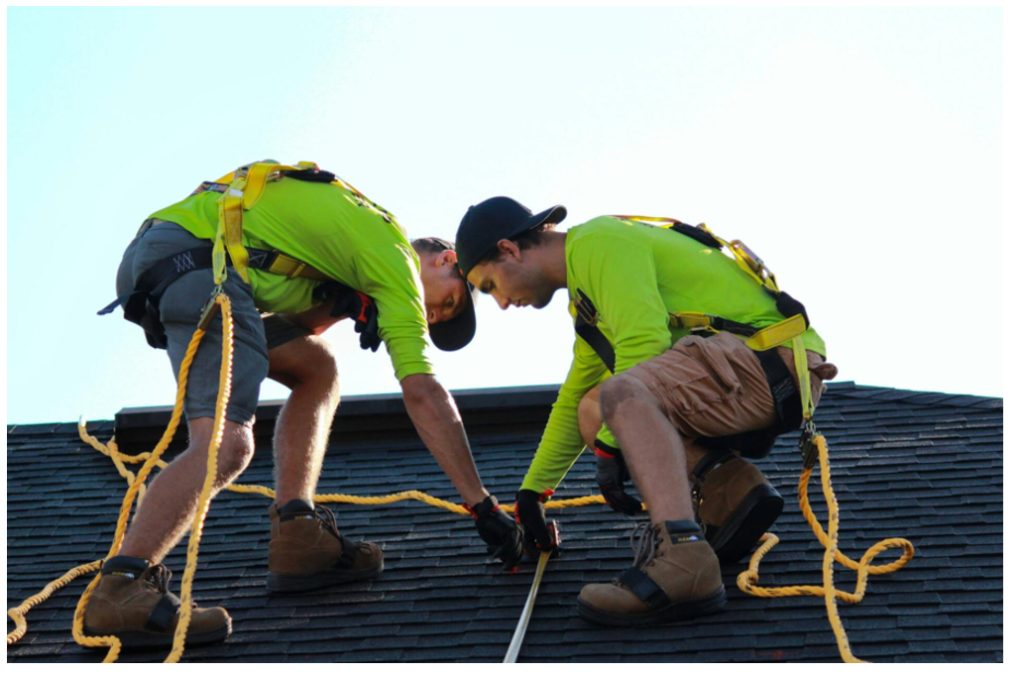
If you are comfortable doing so, you can inspect your roof from the ground using binoculars. However, climbing onto a roof can be dangerous, especially if you are inexperienced. For serious concerns or a detailed inspection, it is best to contact a professional roofing contractor.
Keep Gutters and Downspouts Clean
Gutters play an important role in protecting your roof and home by directing rainwater away from the building. When gutters become clogged with leaves, dirt, and debris, water can back up and collect on the roof. Over time, this can lead to leaks, mold growth, damaged roofing materials, and problems with your home’s foundation.
Cleaning your gutters at least twice a year helps ensure proper drainage. In areas with many trees, more frequent cleaning may be necessary. While cleaning gutters, check that downspouts are securely attached and that water flows away from the foundation.
Installing gutter guards can also reduce the amount of debris that collects in your gutters, making maintenance easier and helping your drainage system work more efficiently.
Remove Moss, Algae, and Debris
Moisture and shade can create ideal conditions for moss, algae, and other organic growth on a roof. While some growth may appear harmless, it can gradually damage roofing materials by trapping moisture against the surface.
Leaves, branches, and other debris should also be removed from the roof when possible. Wet debris can hold moisture and create areas where deterioration occurs more quickly. Keeping your roof clean helps preserve its appearance and prevents unnecessary damage.
When removing moss or algae, avoid harsh cleaning methods that can damage shingles or roofing surfaces. A professional cleaning service or roofing specialist can recommend safe treatment options.
Check for Leaks and Water Damage
Water damage is one of the most common roofing problems. Even a small leak can lead to serious issues if it is ignored. Signs of a roof leak may include water stains on ceilings or walls, peeling paint, damp insulation, musty odors, or visible moisture in the attic.
Checking your attic regularly can help you detect problems early. Look for signs of moisture, damaged insulation, or areas where sunlight is visible through the roof boards. Early detection allows repairs to be made before structural damage develops.
If you discover a leak, it is important to address it quickly. Temporary solutions may reduce immediate damage, but a professional repair is usually needed to fix the underlying cause.
Maintain Proper Attic Ventilation
A healthy roof depends not only on the materials above your home but also on the conditions beneath it. Proper attic ventilation helps control temperature and moisture levels, reducing the risk of problems such as condensation, mold, and premature roof deterioration.
During hot weather, ventilation allows excess heat to escape, which can reduce stress on roofing materials. During colder months, it helps prevent moisture buildup caused by temperature differences between the inside and outside of your home.
Make sure attic vents are clear and functioning properly. Blocked or insufficient ventilation can shorten the lifespan of your roof and increase energy costs.
Trim Nearby Trees
Trees add beauty and shade to a property, but branches that hang over a roof can create problems. During storms, falling branches can damage shingles, tiles, or other roofing materials. Leaves and small branches can also collect on the roof and clog gutters.
Regularly trimming trees near your home reduces these risks. Keep branches away from the roof whenever possible, and remove dead or weak limbs that could fall during severe weather.
Address Repairs Promptly
Small roofing problems can quickly become larger and more expensive if they are ignored. A missing shingle, loose piece of flashing, or minor crack may seem insignificant, but exposure to weather can worsen the damage over time.
Scheduling repairs as soon as problems are noticed is one of the best ways to protect your investment. Regular maintenance is generally far less expensive than replacing an entire roof due to preventable damage.
Know When to Replace Your Roof
Even with excellent maintenance, every roof eventually reaches the end of its useful life. The lifespan of a roof depends on factors such as materials, installation quality, weather conditions, and maintenance habits. For homeowners looking for long-lasting and attractive options, slate roofing is a durable material known for its natural appearance and impressive lifespan when properly installed and maintained.
Signs that a roof may need replacement include widespread damage, frequent leaks, excessive wear, sagging areas, or roofing materials that are nearing the end of their expected lifespan. A professional inspection can help determine whether repairs are enough or whether replacement is the better option.
Conclusion
Maintaining your roof is an important responsibility that protects both your home and your finances. Regular inspections, clean gutters, proper ventilation, debris removal, and timely repairs all contribute to a longer-lasting and more reliable roof.
A well-maintained roof provides peace of mind by helping prevent unexpected damage and keeping your home protected in every season. By investing time in routine care and addressing issues early, homeowners can extend the life of their roof and avoid unnecessary expenses in the future.