

Emergencies can happen at any time. Someone may get hurt or become very sick without warning. When this happens, quick action can help save a life. That is why emergency training is important for everyone.
Many people want to help in an emergency. But they may not know what to do. Good training teaches simple steps to follow. It also helps people feel more confident. Continue reading to discover everything you need to know.
How Training Has Changed
Emergency training is different today than it was years ago. In the past, many classes focused on reading and listening. Now, people learn by doing and practicing.
Modern training keeps people involved. It gives them a chance to use new skills in a safe place. This makes learning easier and more effective. It also helps people remember what they learned.
Using Real-Life Scenarios
Many training programs use real-life situations. These activities help people practice what they may face one day. They learn how to react when something unexpected happens.
This kind of practice helps people think fast. It teaches them how to make good choices under pressure. They gain useful experience without real danger. This builds confidence and readiness.
Interactive Learning Tools
Technology has made training more engaging. Many programs now use videos, apps, and online tools. These tools help people learn in a simple way.
Interactive lessons allow people to take part in the learning process. They can see their mistakes and learn from them right away. This helps improve understanding. It also makes training more enjoyable.
Hands-On Skill Development
Hands-on training is an important part of learning. People often learn best when they practice with their own hands. This helps them improve their skills and build confidence.
Practice sessions allow learners to repeat important steps. Repetition helps skills become easier to remember. This can lead to faster responses during emergencies. It also helps people feel ready to help others.
Essential Emergency Skills
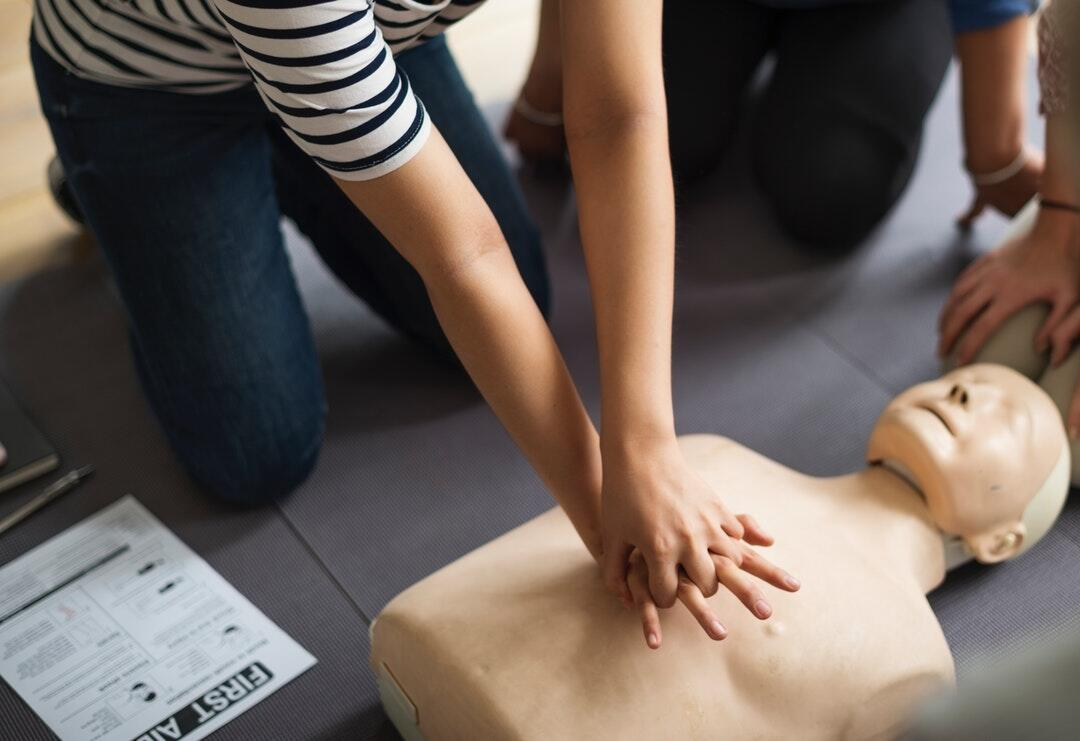
CPR and First Aid are essential skills that remain a major part of emergency training. They help people give care before medical teams arrive. Learning these skills can help save lives. They also improve emergency preparedness.
Many workplaces, schools, and groups encourage this type of training. These skills are useful in many situations. They can help family members, friends, coworkers, and even strangers. Knowing what to do can make a big difference.
Team-Based Training Exercises
Many emergencies require people to work together. For this reason, some training programs include team activities. Participants learn how to communicate and support each other.
Working as a team helps improve coordination. Everyone learns their role during an emergency. This can help reduce confusion. Strong teamwork often leads to better results.
Faster Learning Through Modern Methods
Modern training methods help people learn more quickly. Active learning keeps people involved and interested. It also helps them remember important information.
Practice, technology, and real-life examples work well together. These methods help build strong emergency response skills. People often feel more prepared after completing this type of training. Learning becomes faster and more effective.
Preparing for the Future
New training methods are helping people get ready for emergencies. Real-life practice, simulations, and hands-on learning build useful skills. These approaches make training easier to understand.
Modern training helps people respond faster and with more confidence. It improves decision-making and practical skills. By learning these methods, people can be better prepared for unexpected situations. Expand knowledge and check out more posts on our blog!