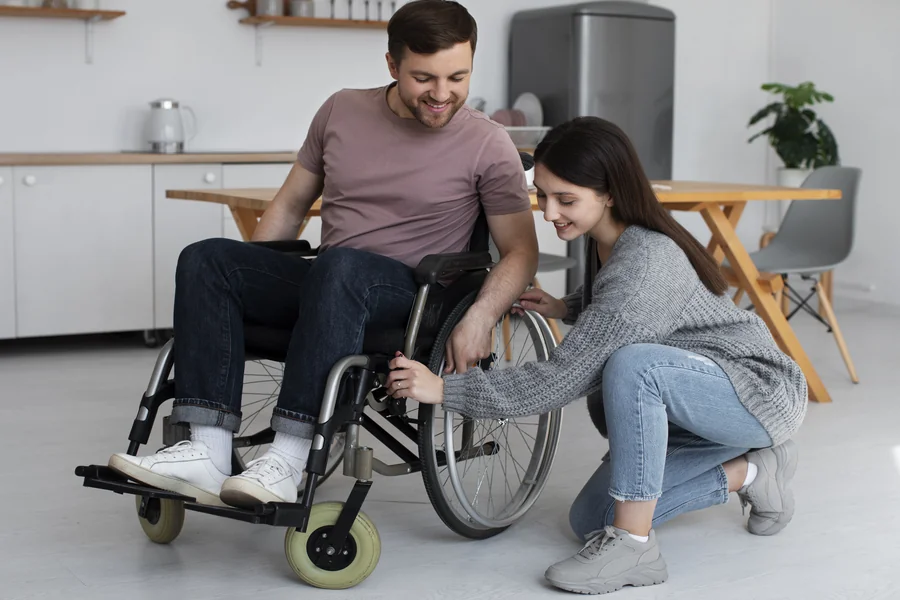
Enabling adults with disabilities to live independently isn’t an issue of dignity but also of allowing them to live meaningful and fulfilling lives.
Having independence does not imply doing everything by yourself. It actually means having the resources, assistance, and self-efficacy to make decisions, engage in day-to-day activity, and achieve individual objectives.
Step into this detailed blog post, where you will discover five powerful tips to encourage independence among your loved one with disability.
1. Encourage Decision-Making
Encouraging personal choice is one of the stepping stones to becoming independent. Disabled adults must have an active role in decision-making regarding their care and daily activities, as well as achieving long-term objectives.
Even small decisions, such as what to wear, what to eat, or how to use free time, can foster a sense of agency and confidence.
Caregivers and other support systems should learn to ask, listen, and respect such decisions, even if they might find them unfavourable to their tastes. Just with a little gesture of care and acceptance, you can make them more empowered to do whatever they want.
2. Provide Access to Supported Independent Living
Having the appropriate living environment can be a starting point in creating an environment in which adults with disabilities can thrive. Supported independent living is the best way to get support and independence.
Such custom living solutions offer the support services needed, such as cooking, cleaning, or even personal care, and encourage the flexibility in self-managing a lifestyle.
The aim is to help the person live a self-determined life, engage with the community, pursue their interests. The best part? They know very well that assistance remains readily available for them whenever necessary.
3. Develop Life Skills by Education
Lifelong learning is crucial for achieving independence. Life skills training, including cooking and budgeting to time management and transportation, assists disabled persons in handling daily tasks. This can be provided in various ways:
- formal classes,
- community, or
- in-home coaching.
The more your disabled loved one incorporates these tasks into their life, the better they can manage their everyday life. It’s never about perfection but progress and empowerment.
4. Encourage Social Relationships
Isolation may be a significant obstacle to independence. Emotional well-being and community engagement involve building and sustaining relationships. Motivate your loved one to participate in social clubs, volunteer activities, or recreational activities aimed at disabled people.
They will have multiple opportunities to learn social skills, make friends, and have a strong sense of belonging, which is vital to the independent living experience.
5. Utilize Technology and Adaptive Tools
Technology has come a long way in enabling people with disabilities to live independently. Your distabled loved one can fill their ability and confidence gaps by leveraging the power of:
- voice-activated assistants,
- communication devices,
- mobility tools, and
- scheduling or reminder apps.
Caregivers and support workers are advised to be aware of new devices and tech solutions. They also must provide individuals with opportunities to learn and use those technologies that can help achieve their independence.