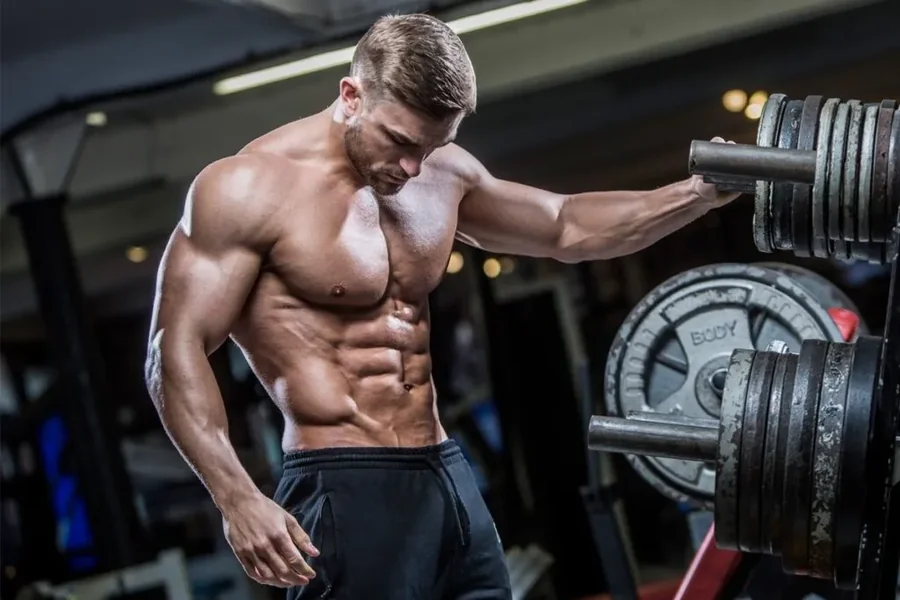
Aesthetic Physique training prioritizes visual muscle development, symmetry, and body composition over raw strength or athletic performance metrics that drive conventional fitness programs. This specialized approach emphasizes controlled movements, targeted muscle isolation, and precise volume manipulation to create specific visual outcomes rather than functional capabilities. The methodology diverges from traditional strength training by focusing on muscle shape refinement and proportional development.
Visual outcome priorities
Traditional strength training measures success through load progression, speed improvements, or endurance benchmarks demonstrating functional capacity increases. Aesthetic training evaluates progress through visual changes, including muscle definition, symmetry improvements, and body fat reduction that enhance overall physique appearance. These visual metrics require different training variables, progression schemes, and recovery protocols than performance-based programs. Progress tracking shifts from weight lifted or time completed to circumference measurements, progress photos, and subjective physique assessment. This evaluation method requires longer timeframes to observe meaningful changes, typically measuring progress in months rather than weeks. The patience required for aesthetic development creates psychological demands different from strength training, where performance improvements provide more immediate feedback.
Muscle isolation emphasis
- Single-joint movements – Exercises targeting specific muscles without significant assistance from supporting muscle groups
- Contraction quality focus – Emphasizing muscle tension and mind-muscle connection over weight-moved
- Range of motion optimization – Full muscle stretch and contraction cycles to maximize hypertrophy stimulus
- Tempo manipulation – Controlled lifting speeds to increase time under tension and metabolic stress
- Pre-exhaustion techniques – Fatiguing target muscles before compound movements to ensure adequate stimulation
These isolation principles contrast with compound movement priorities in traditional strength training, where multi-joint exercises dominate programming for efficiency and functional transfer.
Body fat management integration
Aesthetic training incorporates structured nutrition phases that cycle between muscle-building and fat-loss periods to reveal muscle definition and enhance visual appeal. These cutting and bulking phases require precise caloric manipulation and macronutrient timing that differs from the consistent fueling strategies used in performance training. The integration of cardiovascular training serves aesthetic goals rather than conditioning improvements, with protocols designed to preserve muscle mass while reducing body fat. This approach often involves lower intensity, longer duration cardio sessions than high-intensity interval training, commonly used for athletic conditioning or general fitness.
Training volume considerations
Aesthetic programs typically employ higher training volumes through increased sets, exercises per muscle group, and weekly training frequency compared to strength-focused routines. This elevated volume targets the metabolic stress and mechanical tension required for hypertrophy while allowing for detailed muscle development through varied angles and movement patterns. Recovery management becomes crucial with higher volume protocols, requiring attention to sleep quality, stress management, and nutrition timing to support tissue repair and growth. The increased training stress demands more sophisticated periodization strategies that balance muscle stimulation with adequate recovery for continued adaptation.
Symmetry and proportion focus
- Weak point specialization – Identifying lagging muscle groups and dedicating extra training attention to improve overall balance
- Postural correction – Addressing muscle imbalances that affect physique appearance and structural alignment
- Competition preparation – Structured peaking phases that optimize muscle fullness and definition for specific dates
- Pose practice – Learning presentation techniques that showcase muscular development effectively
- Individual assessment – Customizing training based on genetic strengths and weaknesses rather than standardized programs
This individualized approach requires ongoing evaluation and program modification based on physique development rather than following predetermined progression schemes used in general fitness training.