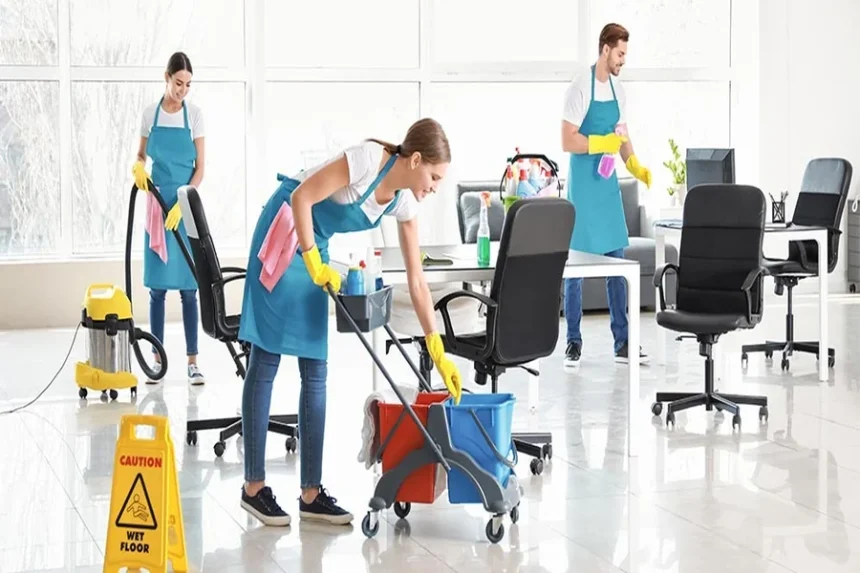
Maintaining a safe and clean commercial space is not just a matter of aesthetics—it’s a fundamental component of running a successful business. Whether it’s an office, retail store, restaurant, or industrial facility, the cleanliness and safety of the environment directly impact employee productivity, customer satisfaction, and overall business reputation. Neglecting these aspects can lead to accidents, health issues, and financial losses, making proper commercial maintenance an essential priority.
Protecting Employees and Customers
One of the primary reasons for keeping a commercial space clean is the well-being of those who occupy it. Employees spend significant portions of their day in these environments, and exposure to dirt, clutter, or unsafe conditions can increase the risk of illnesses and injuries. For instance, wet floors, poorly maintained equipment, and blocked exits can cause slips, trips, and falls—common accidents that result in lost workdays and potential legal liabilities.
Similarly, customers expect a hygienic and safe environment when visiting a commercial establishment. A clean space communicates professionalism and attention to detail, while a dirty or hazardous environment can drive customers away and damage the business’s reputation. Simple practices such as regular cleaning of high-touch areas, proper waste management, and effective sanitation can prevent the spread of germs and create a welcoming atmosphere for clients and visitors.
Compliance with Health and Safety Regulations
Businesses are legally required to meet certain health and safety standards. Regulatory bodies, such as the Occupational Safety and Health Administration (OSHA) in the United States or equivalent authorities in other countries, set strict guidelines for workplace safety and sanitation. Failing to comply with these regulations can result in fines, legal action, and even closure of the business.
Regular cleaning, maintenance, and safety checks are essential for compliance. This includes routine inspections of fire safety equipment, electrical systems, and emergency exits, as well as ensuring that chemicals and hazardous materials are stored properly. By adhering to regulations, businesses not only protect their employees and customers but also avoid costly penalties and protect their long-term viability.
Enhancing Productivity and Employee Morale
A clean and well-organized workplace has a direct impact on employee performance. Studies have shown that employees in clean environments are more focused, motivated, and satisfied with their jobs. Cluttered or unhygienic spaces can cause distractions, stress, and lower morale, which in turn affects overall productivity.
Investing in professional cleaning services or implementing strict internal cleaning routines ensures that workspaces remain tidy, functional, and safe. From properly maintained restrooms to organized workstations, every detail contributes to a healthier and more efficient working environment. Employees are more likely to take pride in their work and demonstrate a higher level of engagement when their surroundings are clean and safe.
Reducing Long-Term Costs
Many businesses overlook the financial benefits of regular cleaning and safety measures. In reality, proactive maintenance can save significant costs over time. For example, routine commercial floor cleaning and upkeep of carpets and machinery prevent deterioration and reduce the need for expensive repairs or replacements. Similarly, preventing accidents and health issues through a safe environment can lower insurance premiums, reduce workers’ compensation claims, and minimize downtime.
Implementing preventative measures is always more cost-effective than reacting to emergencies or neglect. Small investments in cleanliness and safety can yield significant returns in operational efficiency and financial stability.
Building a Positive Brand Image
Finally, a clean and safe commercial space contributes to a positive brand image. Customers, clients, and business partners often judge a company by the condition of its premises. A spotless, well-maintained environment signals reliability, professionalism, and care, encouraging loyalty and repeat business. Conversely, a neglected or unsafe space can harm the company’s reputation and limit growth opportunities.
Businesses that prioritize cleanliness and safety demonstrate a commitment to quality and responsibility. This can set them apart from competitors and create a lasting impression on everyone who interacts with the brand.
Conclusion
Keeping commercial spaces safe and clean is a critical component of business success. From protecting employees and customers to ensuring regulatory compliance, enhancing productivity, reducing costs, and strengthening brand reputation, the benefits are far-reaching. Investing in regular cleaning routines, safety inspections, and preventative maintenance is not just a necessity—it’s a strategic decision that supports the long-term growth and sustainability of any business. By prioritizing cleanliness and safety, companies create environments that are healthier, more productive, and more inviting for everyone.