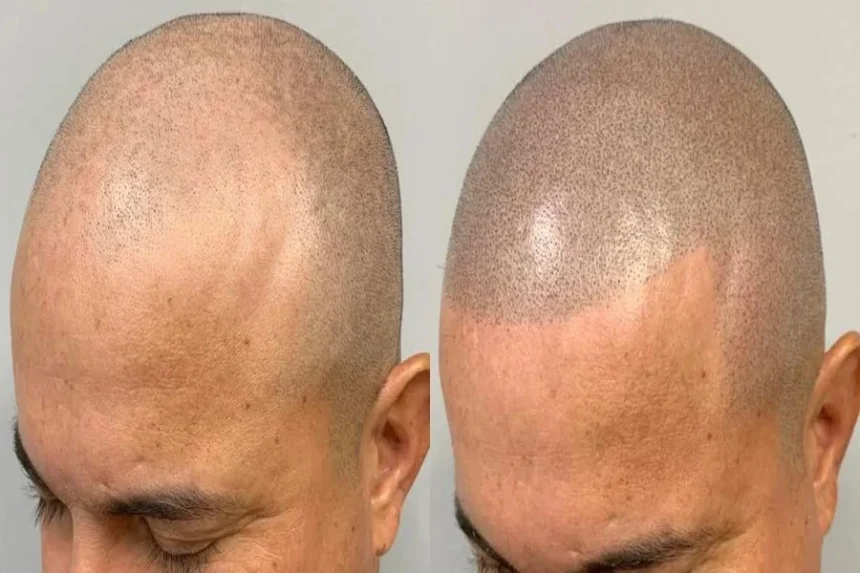
Aftercare following scalp micropigmentation treatments directly influences healing quality, pigment retention, and long-term appearance satisfaction. Professional aftercare protocols have been developed through extensive clinical experience to optimize treatment outcomes while preventing complications that could compromise results. Scalp Micropigmentation success depends heavily on client compliance with specific care instructions during the critical healing period when pigments integrate with skin tissue. These evidence-based protocols address cleaning, protection, activity restrictions, and monitoring requirements that support optimal recovery.
Initial care requirements
Immediate post-treatment care begins within hours of procedure completion and focuses on protecting fresh pigment deposits while supporting natural healing processes. Gentle cleansing with approved antibacterial soap removes surface debris without disturbing embedded pigments that require protection during vulnerable initial healing phases. Lukewarm water temperatures prevent thermal shock, while thorough, gentle patting dry avoids friction that could displace pigments. Sleep positioning considerations include elevated head positions that reduce blood flow to treated areas while minimizing contact pressure from pillows or bedding materials. Clean daily pillowcases prevent bacterial exposure, while silk or satin materials reduce friction against sensitive scalp skin. These sleeping modifications support healing while protecting treatment integrity during overnight recovery periods.
Daily maintenance protocols
Gentle cleansing routines maintain scalp hygiene while protecting healing skin from bacterial infections that could compromise pigment retention and healing quality. Antibacterial soaps specifically recommended by practitioners provide appropriate cleaning without harsh chemical exposure that might affect pigment stability. Cleansing frequency should balance hygiene needs with skin sensitivity during healing progression. Moisturizing applications using approved products help maintain skin hydration while supporting natural healing processes that integrate pigments within dermal layers. Medical-grade moisturizers without fragrances or irritating ingredients provide optimal skin support without interference with healing mechanisms. Proper hydration prevents excessive dryness that could affect pigment settling and final appearance quality.
Lifestyle modifications
During healing, exercise restrictions prevent excessive sweating and increase blood flow, which could affect pigment retention and healing quality. Light walking and gentle activities remain acceptable, while high-intensity workouts, weightlifting, and cardio exercises should be postponed until healing completion. These temporary modifications protect treatment integrity while supporting optimal recovery outcomes. Swimming prohibition includes pools, oceans, lakes, and hot tubs that expose healing skin to bacteria, chemicals, and temperature extremes that could cause infections or pigment complications. Water immersion should be avoided entirely for at least two weeks, while shower exposure should only be minimized to essential cleansing. These water restrictions prevent contamination while protecting vulnerable healing tissue.
Professional hair care modifications include avoiding barbershop visits, hair washing services, and chemical treatments during healing periods when scalp sensitivity requires gentle care only. Hair styling products, gels, and sprays should be eliminated temporarily to prevent chemical contact with healing skin. Social activity adjustments may temporarily avoid dusty or contaminated environments where airborne particles could contact healing scalp tissue. Construction sites, gardening activities, and outdoor work should be limited during critical healing phases. These environmental awareness measures support clean healing while preventing particle contamination that could affect results.
Comprehensive aftercare compliance significantly influences scalp micropigmentation success by protecting healing processes and optimizing pigment integration. These detailed protocols support optimal outcomes while preventing complications compromising treatment investments and final appearance quality.