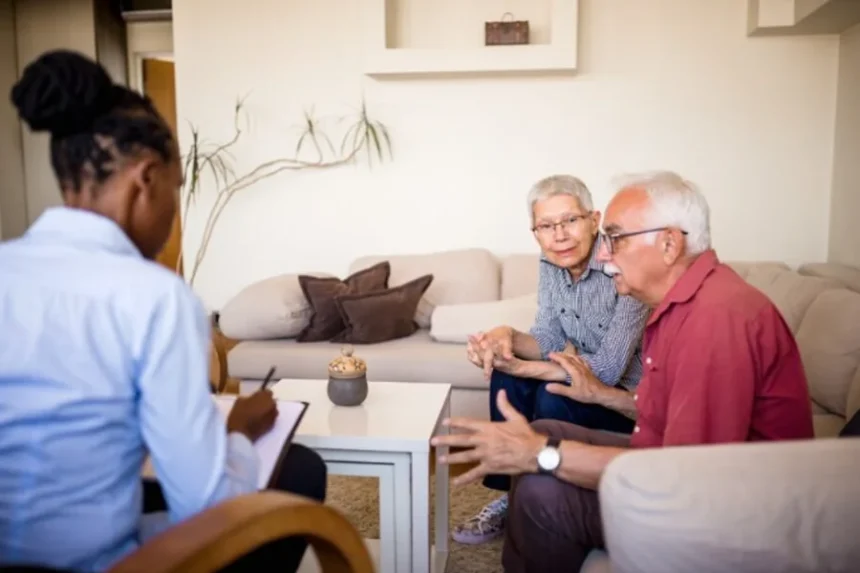
Caring for individuals with dementia involves more than managing memory loss. It requires a deep understanding of the patient’s emotional, psychological, and behavioral needs. One of the most effective ways to provide comprehensive care is through psychiatric evaluation for dementia patients. These evaluations are not just diagnostic tools; they are essential for improving quality of life, guiding treatment plans, and offering meaningful support for patients and families.
In Arizona, organizations like Hearts For Dementia are pioneering integrated care models, including the Guide Model Arizona, to deliver more effective and compassionate support to individuals facing cognitive decline. This article explores how psychiatric evaluations play a crucial role in dementia care and how families and caregivers can utilize them to enhance well-being.
Understanding Psychiatric Evaluation in Dementia Care
A psychiatric evaluation for dementia patients is a detailed assessment conducted by a mental health professional. It aims to:
- Confirm or clarify the diagnosis
- Evaluate behavioral and emotional symptoms
- Identify any co-existing psychiatric conditions like depression, anxiety, or delusions
- Create a personalized treatment plan
Unlike general medical exams, psychiatric evaluations dig deeper into mental and emotional health. For dementia patients, who may be unable to fully express themselves, this is a vital process.
Why Psychiatric Evaluation Matters
Many symptoms of dementia can mimic those of mental health disorders. Depression, for instance, can cause forgetfulness and lack of focus, which are also signs of dementia. Without proper evaluation, patients risk misdiagnosis and inappropriate treatment.
Key benefits of psychiatric evaluations include:
- Better Symptom Management: Tailored therapies to address agitation, depression, anxiety, and hallucinations.
- Accurate Diagnosis: Rule out other mental health issues that may be confused with or coexist with dementia.
- Enhanced Communication: Understand the emotional needs of the patient.
- Support for Families: Provides guidance and education for caregivers.
The Guide Model Arizona: A Framework for Integrated Care
The Guide Model Arizona, adopted by Hearts For Dementia, emphasizes collaboration between healthcare providers, mental health professionals, and families. The model aims to integrate psychiatric assessments as a core element of dementia care, ensuring that:
- Evaluations are done early in the care journey
- Results are shared with the whole care team
- Treatment plans are regularly updated based on psychiatric input
This holistic approach ensures that emotional and behavioral symptoms are not overlooked, improving both patient outcomes and caregiver satisfaction.
How Hearts For Dementia Implements Psychiatric Evaluations
Hearts For Dementia is dedicated to compassionate, personalized care. Their dementia program incorporates psychiatric evaluations into every care plan. Here’s how they make a difference:
- Early Screening: Patients are assessed at the onset of care.
- Multidisciplinary Collaboration: Evaluations inform medication management, behavioral therapy, and caregiver training.
- Ongoing Monitoring: Patients are reevaluated periodically to adjust care as needed.
Their commitment to mental health in dementia care aligns with best practices and promotes a higher quality of life for seniors in Arizona.
Real-Life Impact: Case Examples
Case Study 1: A 78-year-old woman with mid-stage dementia experienced frequent agitation and verbal outbursts. A psychiatric evaluation revealed untreated depression and anxiety. After medication adjustment and therapy, her mood stabilized and her interactions with caregivers improved.
Case Study 2: An 82-year-old man was believed to be in late-stage dementia due to his silence and withdrawal. A psychiatric assessment revealed that he was suffering from severe depression. With proper treatment, he began speaking and engaging again, improving his overall functionality.
These cases illustrate how vital psychiatric evaluation is in understanding what lies beneath the surface of dementia symptoms.
When Should You Seek a Psychiatric Evaluation?
Families and caregivers should consider a psychiatric evaluation for dementia patients when:
- Behavioral changes like aggression or withdrawal become frequent
- There’s a sudden decline in communication or cognition
- Mood symptoms such as sadness, fear, or anger persist
- The patient shows signs of hallucinations or delusions
- There is uncertainty about the diagnosis
Early intervention can prevent worsening symptoms and enhance patient dignity and comfort.
Frequently Asked Questions (FAQ)
Q1: Is a psychiatric evaluation safe for elderly dementia patients? Yes. Evaluations are non-invasive and are conducted by trained professionals using observation, interviews, and standardized tools.
Q2: How long does an evaluation take? It typically takes 1-2 hours, but may vary based on the patient’s condition and history.
Q3: Can evaluations be repeated? Absolutely. Dementia is progressive, so periodic re-evaluations help adjust the care plan.
Q4: Who performs the psychiatric evaluation? Psychiatrists, geriatric psychiatrists, and licensed clinical psychologists typically perform the assessments.
Q5: Does insurance cover psychiatric evaluations? In many cases, yes. It depends on your plan and whether the provider is in-network. Hearts For Dementia can help families navigate these questions.
Final Thoughts
The journey through dementia is complex, but it can be made more manageable with the right tools and support. A psychiatric evaluation for dementia patients is one such tool that offers clarity, direction, and hope. It ensures the patient’s mental and emotional health is not ignored but actively nurtured.
Hearts For Dementia continues to lead with innovation and empathy in Arizona, using models like the Guide Model Arizona to enhance care outcomes. By integrating psychiatric evaluations into dementia care, they are improving the quality of life not just for patients, but for the families who love and care for them.
If you have a loved one showing signs of dementia or struggling emotionally, consider seeking a psychiatric evaluation today. It could make all the difference.