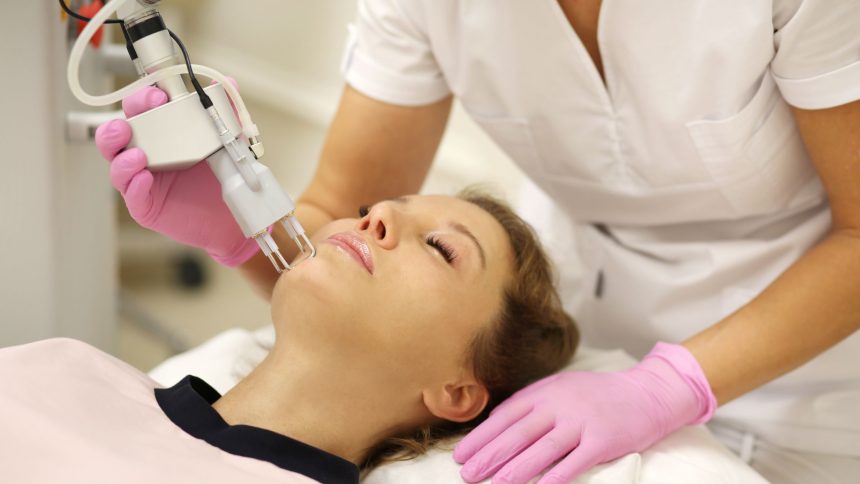
Dermatology tackles common skin issues through systematic assessment, targeted treatments, and preventive care protocols that address immediate symptoms and underlying causes. Professional skin care specialists develop comprehensive treatment plans that combine medical interventions with daily maintenance routines tailored to individual skin types and conditions. These evidence-based approaches ensure effective management of persistent skin problems while preventing future complications. Dr. Lily Dermatology employ advanced diagnostic techniques and treatment modalities to address everyday skin concerns.
Daily skin maintenance protocols
Professional dermatological care begins with establishing proper daily cleansing routines that remove environmental pollutants, excess oils, and undigested skin cells and maintain the skin’s barrier function. Gentle cleansing products for specific skin types prevent over-drying while maintaining optimal pH balance. These foundational routines create stable conditions that support subsequent treatment applications and promote healthy skin regeneration. Moisturization protocols vary based on skin type, climate conditions, and individual sensitivity levels. Dermatologists recommend specific product formulations that provide adequate hydration without clogging pores or triggering allergic reactions. Maintaining skin elasticity, reducing inflammation, and creating protective barriers against environmental stressors are all benefits of proper moisturization.
Common condition treatments
- Acne management through topical retinoids, salicylic acid, and benzoyl peroxide applications that target different aspects of breakout formation
- Eczema control using prescription moisturisers, anti-inflammatory medications, and trigger avoidance strategies
- Rosacea reduction through gentle skincare routines, sun protection, and anti-inflammatory treatments that calm facial redness
- Hyper pigmentation correction using chemical peels, lightening agents, and laser treatments that even skin tone
- Psoriasis management through medicated topicals, phototherapy, and systemic treatments for severe cases
- Seborrheic dermatitis control using antifungal treatments and specialised shampoos that reduce scalp and facial scaling
Preventive care strategies
Sun protection forms the cornerstone of preventive dermatological care, with broad-spectrum sunscreen application recommended daily regardless of weather conditions or outdoor activity levels. UV radiation causes cumulative damage that manifests as premature ageing, hyperpigmentation, and increased skin cancer risk. Dermatologists emphasise consistent sun protection as the most effective anti-ageing intervention available. Regular skin examinations enable early detection of suspicious lesions, changing moles, or other concerning skin changes that might indicate severe conditions. Professional skin screenings identify potential problems before they become severe, allowing for prompt treatment that improves outcomes. Self-examination techniques dermatologists teach empower patients to monitor their skin during professional visits.
Professional intervention timing
- Persistent acne that doesn’t respond to over-the-counter treatments within 6-8 weeks requires professional evaluation
- Sudden changes in mole appearance, size, or colour warrant immediate dermatological assessment
- Chronic eczema flares that interfere with daily activities need prescription-strength interventions
- Recurring skin infections indicate underlying conditions that require professional diagnosis and treatment
- Excessive hair loss or sudden hair thinning requires evaluation for treatable underlying causes
- Persistent rashes that don’t resolve with basic care need professional identification and targeted treatment
Lifestyle integration methods
Dermatological care extends beyond topical treatments to include dietary recommendations that support skin health from within. Anti-inflammatory foods, adequate hydration, and essential fatty acid consumption contribute to skin barrier function and overall appearance. Dermatologists often recommend specific nutritional adjustments that complement topical treatments for optimal results. Sleep quality and stress management significantly impact skin health, with inadequate rest and chronic stress contributing to inflammatory skin conditions and delayed healing. Professional dermatological care includes lifestyle counselling that addresses these systemic factors affecting skin health. Stress reduction techniques and sleep hygiene improvements often enhance treatment effectiveness while promoting overall wellness.