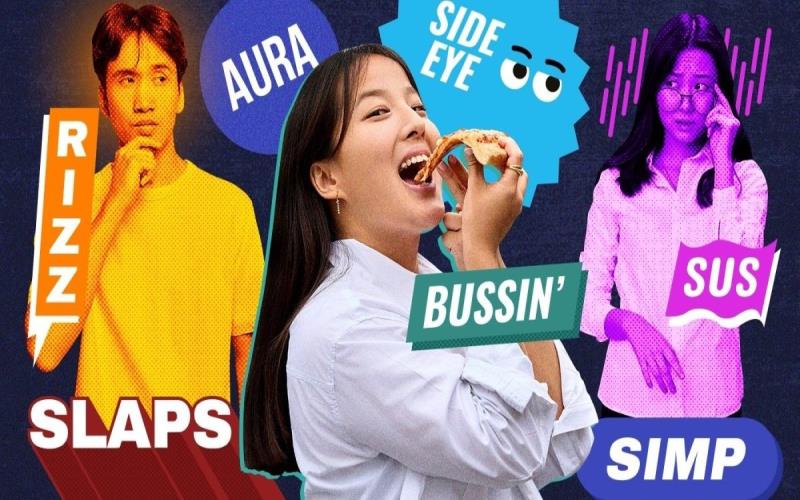
Language is always evolving, and nowhere is that more apparent than in the world of Gen Z. This generation has taken communication to a whole new level, crafting phrases that can leave older generations scratching their heads. From “slaps” to “simp,” these terms have become part of everyday conversations, especially among those who live and breathe social media.
But what do these words really mean? And how did this wave of slang come about? Understanding the nuances behind these Gen Z phrases opens up a window into not just their language but also their culture.
How social media has influenced the spread of these phrases
Social media has revolutionized how language spreads. Platforms like TikTok, Twitter, and Instagram are the new playgrounds for slang creation. In these digital spaces, phrases can go viral overnight.
A simple post or catchy video can introduce a term to millions in seconds. As users scroll through their feeds, they absorb this fresh vocabulary without even realizing it.
Memes play a crucial role too. They often pair visuals with trending terms, making understanding easier and more entertaining. This combination keeps phrases alive and relevant within younger circles.
The evolution of ‘simp’, from a harmless compliment to a derogatory term
The term “simp” has undergone a remarkable transformation in recent years. Originally, it was used to describe someone who openly admires or shows affection towards another person, often with a light-hearted tone.
As social media gained traction, the meaning shifted dramatically. It morphed into something more derogatory. Now, calling someone a simp can imply that they are overly submissive or desperate for attention from those they are infatuated with.
This shift reflects broader societal attitudes toward relationships and masculinity. The rise of memes and viral content helped solidify this new usage among Gen Z.
Explanation of popular Gen Z phrases like ‘slaps’ and ‘simp’
Gen Z slang is a vibrant tapestry of creativity, often leaving older generations scratching their heads. Take “slaps,” for example. When something slaps, it means it’s exceptionally good or enjoyable—like that catchy song you can’t stop playing.
Then there’s “simp.” Originally used to describe someone who shows excessive affection towards someone else, it has morphed into a term of mockery. Calling someone a simp can mean they’re overly eager to please or devoted without any reciprocation.
These phrases are playful yet laden with nuance. They reflect the changing dynamics in relationships and cultural appreciation among Gen Z. Each word carries weight and reflects broader social conversations happening online every day.
Online influences on Gen Z slang
The online world has played a crucial role in shaping Gen Z slang. Social media platforms like TikTok, Twitter, and Instagram serve as breeding grounds for new phrases and trends. Content creators often introduce catchy terms that quickly gain popularity.
Memes also significantly influence language among this generation. A clever meme can turn a simple phrase into an internet sensation overnight. This rapid dissemination means that words can shift in meaning just as quickly.
Moreover, the viral nature of social media allows these phrases to spread beyond typical demographic boundaries. What starts out as niche club lingo may become mainstream within weeks or even days.