

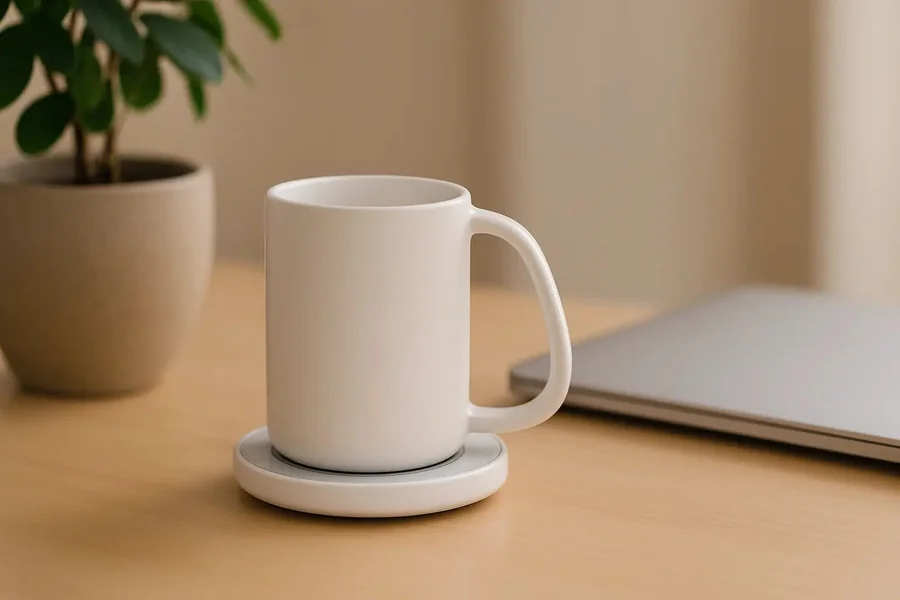
Ceramics are often misunderstood as just decorative or fragile objects on your grandma’s shelf. In reality, they’re everywhere – hidden in high-tech machines, embedded in medical tools, and cradling your morning coffee. What makes this material so fascinating is its incredible range. It can be molded into a precision component for a life-saving device or shaped into a handmade bowl that becomes a family heirloom. This duality is what makes modern ceramics so unique.
Beyond the Kiln: Where Science Meets Clay
While ceramic mugs and plates are the most familiar forms to most people, ceramics also play a vital role in modern technology. In high-end manufacturing, a process known as ceramic injection molding transforms ceramic powder into ultra-precise components. This advanced technique, detailed at https://www.wundermold.com/, is used to create parts for industries that demand perfection – think aerospace, electronics, and medical equipment. Unlike traditional molding, it allows for tight tolerances and complex shapes that would be impossible to achieve otherwise.
What’s really interesting is that the process starts with the same material used by potters, ceramic powder. But instead of being shaped by hand, it’s mixed with binders, injected into a mold under high pressure, and later sintered at high temperatures to remove the binders and strengthen the final product. The outcome? Pieces that are not only strong and heat-resistant but also incredibly reliable for critical applications.
The Beauty of the Hand-Touched Surface
On the other end of the spectrum is the world of handcrafted ceramics. According to Black Oak Art, the focus isn’t on tight tolerances or heat resistance, but rather on touch, expression, and individuality. Each handmade cup or bowl carries the fingerprint of its maker – sometimes literally. The glaze may run slightly in one spot, or the lip of a mug might be just a little uneven. But that’s the charm. These imperfections are not flaws; they are proof of life, personality, and craftsmanship.
In a world that often celebrates perfection and mass production, handmade ceramics remind us of the beauty in the human touch. And interestingly enough, many of these artisan pieces are made using similar temperatures and firing techniques as their industrial cousins. The material is shared. The fire is shared. But the story told is entirely different.
Ceramics with a Split Personality
Ceramics walk a fascinating line between art and utility. A custom coffee mug can be both a functional item and a mini sculpture. A ceramic insulator in a jet engine must perform with absolute reliability but is also carefully designed to fit perfectly into a complex system. Both are molded by human intent. Both require precise control of heat, pressure, and time. And both, in their own ways, serve human needs – whether that’s sipping tea or launching a spacecraft.
Fun fact: Some ceramic materials can withstand temperatures over 1,800°C (3,272°F), which makes them essential for space exploration and hypersonic flight. But similar clay bodies, when treated differently, can also create the rustic textures you see in an earthy dinnerware set.
Why This Matters More Than Ever
In today’s world of sustainable living and thoughtful design, ceramics are experiencing a bit of a renaissance. People are turning away from plastic and mass-market materials, opting instead for durability and authenticity. A ceramic bowl might last generations, and an industrial ceramic part might survive environments where metals would melt or corrode. That level of endurance makes ceramics not just beautiful or useful, but essential.
More than that, ceramics connect us across disciplines. Engineers and artists may never meet, but they share the same foundation: clay, fire, and a vision. One pushes the limits of possibility, the other captures moments of joy or calm. Together, they prove that ceramics are not bound by function or form – they transcend it.
One Material, Infinite Stories
Ceramics aren’t just objects. They’re experiences. They’re the cup you reach for every morning, and they’re the invisible heroes inside devices that keep us safe and connected. Whether they come from the hands of an artist or the precision of a machine, ceramics tell a story of transformation, of earth into something lasting, something vital.
The next time you sip from a handmade mug or hear about a breakthrough in medical technology, remember this: they might just have more in common than you think. All it takes is a little heat, pressure, and imagination.