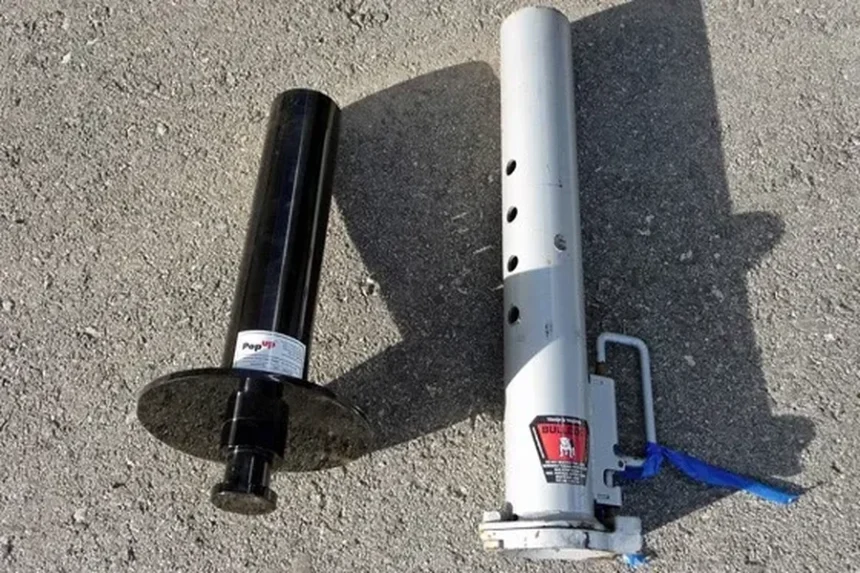
Towing heavy trailers is a delicate process that requires the proper equipment and careful treatment. Drivers with a truck that has a gooseneck hitch but must tow a fifth-wheel trailer can have a useful substitute in a gooseneck to fifth wheel adapter. While it can make towing arrangements easy, safety when utilising one is predicated on how it is used, its limitations, and installation and maintenance procedures.
What the Adapter Does
A gooseneck to fifth wheel adapter spans the gap between two towing systems. A gooseneck hitch uses a ball-and-coupler configuration, usually bolted to the truck bed, while a fifth-wheel trailer uses a kingpin and hitch plate. The adapter joins these two systems together so that compatibility is achieved without the replacement of either hitch.
Adapters come in various models; some bolt right onto the trailer kingpin, while others bolt to the truck bed. The choice of style would depend on your trailer’s weight, towing frequency, and guidelines from the manufacturer.
Checking for Compatibility and Weight Capacity
Prior to installing any adapter, make sure to check your truck and trailer specs. Not all fifth-wheel trailers are equipped to be towed using adapters. Installing one on a heavy or long trailer may subject the trailer frame to additional stress and possible long-term structural damage.
They list specific towing capacities, and exceeding them may not be safe. Ensure that gross trailer weight and pin weight are within your truck’s capacity rating, and refer to the trailer manufacturer to ensure that an adapter will not invalidate the warranty.
Installation: Getting It Right the First Time
Proper installation is essential to stability and safety. The majority of adapters need very precise alignment and bolting. Any small misalignment will generate tug-tug towing or unequal trailer frame pressure.
Tips: As a beginner with trailer installations, professional installation is highly advised. Mechanics who are experienced with towing systems will be able to correctly fit the adapter and ensure it is tested and loaded before driving on the road.
Certain manufacturers, such as Andersen Hitches, produce lightweight, engineered adapters that emphasise simple installation without sacrificing strength. Whichever manufacturer, always adhere to the installation instructions to the letter.
Safe Towing Practices
After the installation, when towing with an adapter, one would need to drive differently. Turning radius, braking distance, and acceleration all need more manoeuvrability. Avoid any sudden movement and keep a safe distance from other cars at all times.
Check the hitch connection regularly, especially before a long drive. Ensure bolts are not loose, worn-out components or stress signs like cracks or deformation. Lubrication of moving parts also limits friction and increases hitch and adapter lifespan.
Maintenance and Regular Checks
Regular maintenance is of utmost importance in avoiding accidents or malfunctions. Check the adapter and mounting points on every few trips. If there is rattling or excessive movement, pull over immediately and check the installation. Rust, corrosion, or loose threads are all warning signs that the adapter may need to be replaced.
Clean the points of coupling after use because dirt and debris can interfere with locking into position. Dry storage of the adapter when not used will also prevent unnecessary wear.
Last Words
A gooseneck to fifth wheel adapter is an excellent means of towing both economically and safely without having to replace your whole hitch system. Safety, however, is based on sound purchasing, proper installation, and annual maintenance. Always keep compatibility and manufacturer recommendations ahead of convenience.
Proper usage of this inexpensive piece of equipment provides road flexibility and freedom, enabling you to tow confidently without sacrificing control or safety.