
In 2026, the transition of video games from the console to the silver screen has moved past simple adaptation and into the realm of transmedia expansion. Hollywood has officially ‘levelled up’ by treating gaming intellectual property with the same reverence once reserved for classic literature or comic book legends.
This success is not just a result of better technology, but a complete overhaul of how studios interact with the gaming industry and its dedicated fans, click here to visit a trusted casino game site and explore exciting gaming options.
Pre-Production Pivot: Identifying Narrative Depth
The modern adaptation process begins with a rigorous selection phase where studios prioritise games with immense narrative depth and character affinity over mere sales figures. In 2026, Hollywood “scouts” look for titles that offer either a strong cinematic arc like the emotional weight found in The Last of Us or expansive, sandbox-style worlds like Fallout that allow for original storytelling within an established lore. By focusing on the “feeling” of the game’s world rather than a frame-by-frame recreation of its plot, filmmakers can create experiences that feel authentic to hardcore players while remaining accessible to general audiences.
Collaborative Scripting and Creative Oversight
One of the most significant shifts in 2026 is the direct involvement of the original game creators in the writing and production process. Modern adaptations are no longer just licensing deals; they are creative partnerships where developers like Neil Druckmann or Hideo Kojima act as executive producers to ensure “lore accuracy.” This collaboration helps screenwriters navigate sprawling, 60-hour backstories to find a focused, two-hour cinematic core. By involving those who built the game world, Hollywood avoids the “misinterpretation of source material” that led to the failed experiments of previous decades.
Visual Fidelity and Game Engine Integration
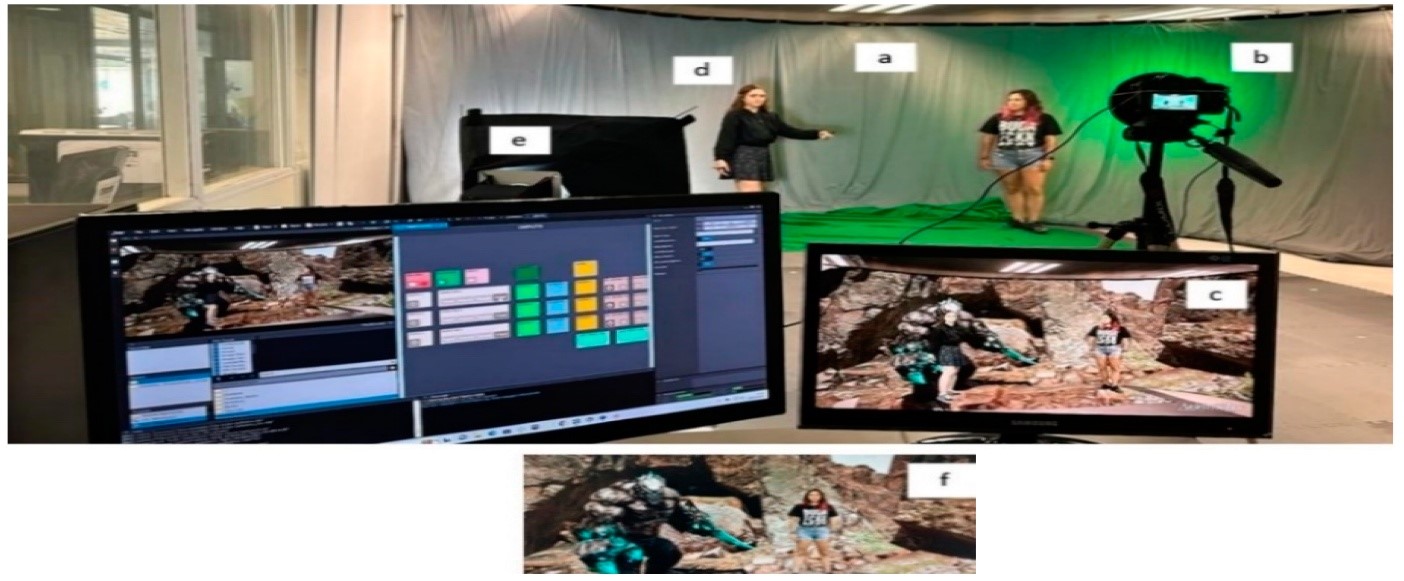
To meet the high visual expectations of modern fans, Hollywood has increasingly integrated actual game engines, such as Unreal Engine 5, into the filmmaking pipeline. This allows directors to use real-time rendering for pre-visualisation and in-camera visual effects (VFX), ensuring that the film’s lighting, physics, and aesthetics match the “game feel” exactly. Features like Lumen and Nanite in UE5 are now used to build film-quality assets that can be reused across both the movie and the game, creating a seamless visual identity for the franchise across different media.
Adapting Gameplay into Cinematography
Translating interactivity into a passive viewing experience is a primary challenge, but 2026 filmmakers have mastered the art of “gamified” cinematography. Techniques such as the “long take” or continuous over-the-shoulder shots are used to mimic the third-person perspective players are used to, while tactical “POV” sequences pay homage to first-person shooters. These directorial choices allow the audience to feel the same tension and flow they experience while holding a controller, effectively bridging the gap between playing and watching.
The Four-Quadrant and Transmedia Strategy
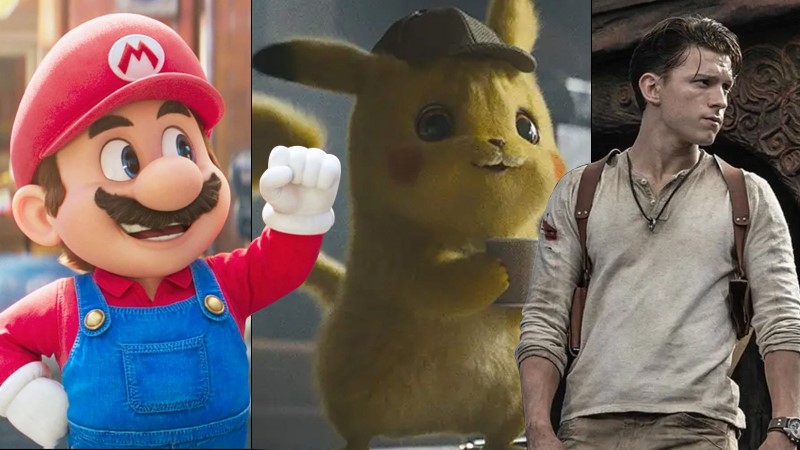
A video game movie succeeds in 2026 by becoming a “four-quadrant” blockbuster appealing to men, women, and all age groups, regardless of their gaming history. Studios achieve this by focusing on universal human emotions, grief, family, or the price of ambition, while tucking “Easter eggs” into the background for the superfans. This approach treats the adaptation as part of a larger transmedia ecosystem, where a successful movie drives new players to the game, and a successful game creates a built-in audience for the next sequel, ensuring the IP continues to thrive across all platforms.