Why Sell Now? Trends in Land Ownership
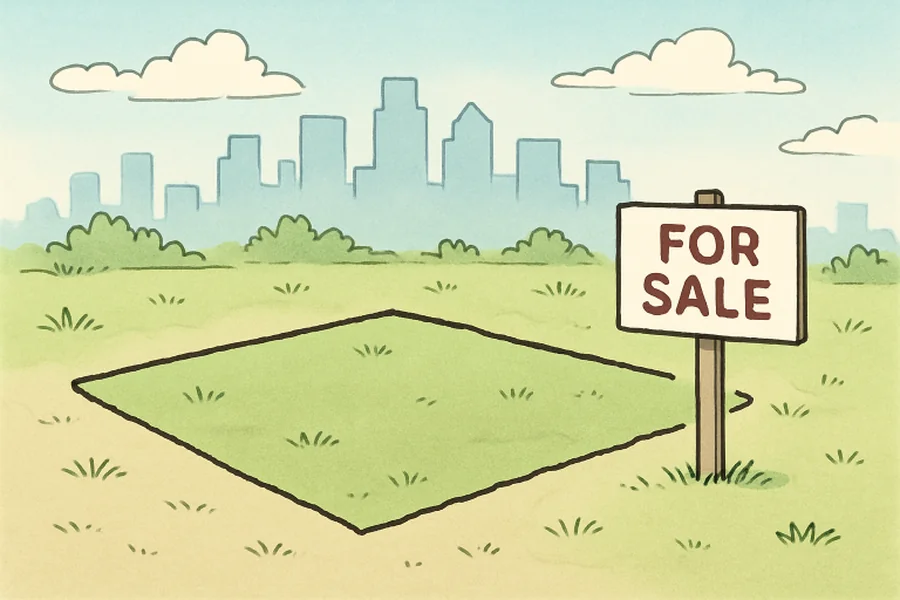
The landscape of land ownership across the United States is quickly evolving. As urbanization accelerates and land use priorities shift, millions of parcels sit unused. According to The New York Times, more than 14 million plots are vacant and ready for sale today. If you’ve considered selling land, weighing your options now could be crucial—changes in tax regulations, evolving zoning laws, and rising demand in certain regions put a unique spotlight on the land market at this time. For Georgia landowners ready to take action, sell your parcel GA stands out as a reliable resource to help ease the transition from holding to selling. Some owners are motivated to unlock liquidity, while others wish to avoid the uncertainties that future legislative changes may bring. Understanding current trends and your personal goals is vital before deciding to sell. Rural and suburban plots often become liabilities instead of assets when left untended, piling up property taxes with little practical utility for their owners.
Understanding What Drives Land Value
Land values are shaped by much more than acreage alone. Location remains a core driver—proximity to growing metropolitan areas, major roads, and essential utilities can drastically boost a property’s worth. Zoning ordinances, environmental factors, and projected community developments also weigh heavily. Keeping an eye on state appraiser office publications and monitoring local infrastructure projects is a smart move for any seller. As discussed in industry guides on land valuation, future growth, accessibility, and land usability will be top priorities for buyers. Preparation is equally important. Confirm your land is buildable, review available utility hookups, and understand environmental restrictions. A plot bordering a coming highway interchange or within a designated growth zone may be significantly more valuable than one isolated from urban expansion. If your primary goal is a swift sale while maximizing fair value, working with specialized buyers can streamline the process. Platforms that let you sell land fast often attract motivated buyers and fewer negotiation delays, making them attractive for owners looking to deal with as little hassle as possible.
Preparing Your Vacant Land for Market
First impressions weigh heavily on selling timelines and offers. The first step is clearing debris, mowing excess overgrowth, and ensuring easy vehicle and foot access with clear signage at property boundaries. Gather all key documents, including the latest survey, proof of ownership, and previous appraisals. Consider obtaining a professional inspection to uncover hidden features or restrictions—such as wetlands, easements, or outdated mineral rights. High-quality, recent drone photography can help showcase everything your property offers, especially if it’s located remotely. A readily available soil report doesn’t just reassure farm or development buyers; it helps market your land’s potential use more effectively online and in listings.
Choosing the Right Sales Method
There are multiple paths to selling vacant land, and your needs should guide your selection. For Sale By Owner (FSBO) offers the most autonomy and commission savings. Still, it often requires more direct marketing and negotiation skills and may result in longer days on the market. Working with a traditional real estate agent provides exposure and administrative support, though many agents focus primarily on residential sales rather than vacant parcels. Online platforms present a fast-growing option, connecting your listing to a national or even global network of buyers. Each choice comes with tradeoffs in control, speed, visibility, and the expertise needed to close a sale on favorable terms. Before deciding, evaluate your comfort level with paperwork and negotiation—and your need for a quick sale.
Pitfalls to Avoid When Selling Land
- Underpricing:Take the time to analyze comparable sales in your area. Setting the price too low can lead to regret, while pricing too high may result in missed opportunities.
- Ignoring Title Issues:Title defects, unresolved liens, or boundary disputes can halt a deal during closing. Invest in a title search before listing your land.
- Failure to Disclose:State laws often require sellers to inform buyers of easements, flood zones, and other restrictions. Transparency prevents post-sale legal headaches.
- Overlooking Local Regulations:Zoning, permit requirements, and even specific county codes may apply. Stay informed to avoid delays or failed transactions.
What to Expect During a Sale
The vacant land sales process is typically more complex and requires more patience than standard home sales. After listing, anticipate requests for property tours, surveys, and environmental assessments. Negotiations can extend to price, closing timelines, and contingencies for buyer due diligence. On average, most vacant land sales close within three weeks to six months, though rural or highly specialized parcels may take longer. Be prepared to answer questions regarding property lines, recent improvements, and annual tax costs. Effective communication and documentation at each step keep deals moving forward and prevent misunderstandings.
Tax Implications Every Seller Should Know
Owners should prepare for potential tax consequences before finalizing any sale. Federal capital gains taxes typically apply if your land is valued, and local or state tax rates may introduce extra costs. In some cases, structuring the transaction as a 1031 exchange lets sellers defer taxes by investing proceeds into a new property, but the process comes with strict rules and deadlines. Consulting an experienced CPA is strongly recommended before selling. Keeping up with the latest tax developments is wise, as legislative changes at the state and federal levels frequently reshape property taxation laws. For more insight, Realtor.com’s guide to selling land is a highly respected resource that’s regularly updated with tips and new regulations.
Frequently Asked Questions
- How long will it take to sell my land?The timeline can range from one month for high-demand locations to a year or more for rural or specialized properties. Preparation and realistic pricing can help speed up the process.
- Do I need a survey?A recent study is not always required, but it is a strong selling point. Buyers are more confident with clear boundaries and documented property lines.
- Will selling land affect my property taxes?Upon closing, the new owner becomes responsible for property taxes. Carefully review your closing documents and consult with local authorities if needed.
- Deciding to sell unused land can unlock hidden value, provide immediate liquidity, and reduce ongoing costs such as taxes or maintenance. It offers many owners a practical way to redirect resources toward more rewarding goals. Careful planning ensures the transaction aligns with both financial priorities and long-term vision.