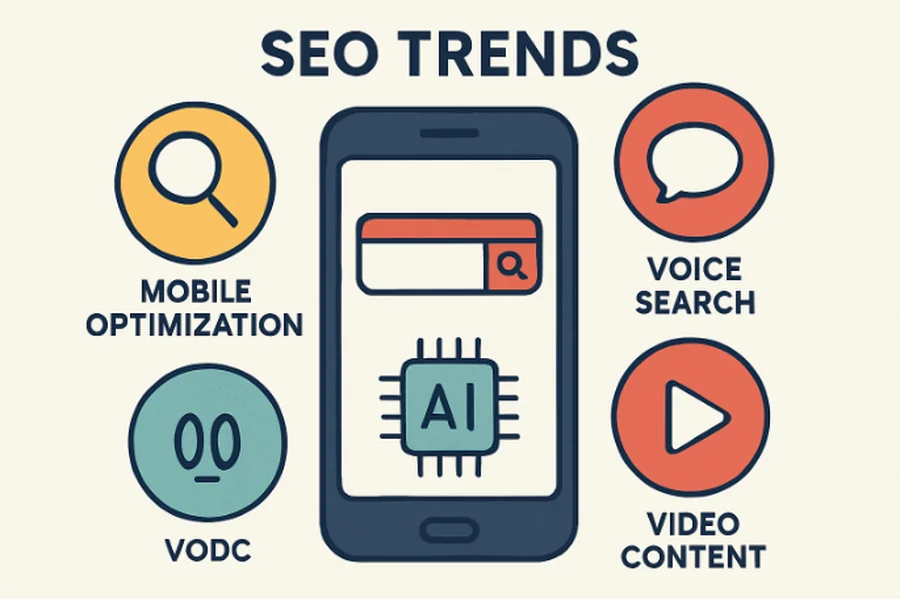
Staying ahead in SEO is more challenging and rewarding than ever due to changing user behavior, tech advances, and search engine updates. Businesses must adapt proactively, especially with AI progress, voice search growth, and mobile-first indexing dominating. Modern SEO focuses on value and experiences, not just rankings. As search engines update more often and smarter, adopting the latest strategies early will ensure long-term success.
AI and Machine Learning in SEO
AI-powered algorithms like Google’s BERT and MUM are revolutionizing search by understanding user intent more deeply than ever. Search engines can now process language nuances, interpret complex queries, and surface the most relevant answers—even for less explicit searches. Websites that anticipate user needs with targeted, context-rich content perform better in organic rankings and attract higher engagement. This shift means businesses should invest in a holistic approach that combines high-value content with a strong local SEO strategy, ensuring visibility in broad search results and location-specific queries where intent and relevance matter most.
Voice Search Optimization
With over half of all searches projected to be voice-based and the proliferation of smart speakers and mobile assistants, incorporating voice search into your SEO plan is necessary. This requires focusing on conversational language, question-based keywords, and local intent. Consider how users phrase real-life questions, such as “Where can I find the best sushi near me?” or “How do I improve my website’s load speed?” Optimizing content for these conversational queries gives you a competitive edge as users increasingly rely on voice commands to interact with search engines.
Mobile-First Indexing
Mobile-first indexing is the new status quo, making mobile usability a top ranking factor. Sites that aren’t fully optimized for mobile performance—quick load times, responsive layouts, and frictionless navigation—risk being left behind in search results. Tools like Google’s Mobile-Friendly Test can help diagnose issues. Keep user behaviors in mind: mobile users are less patient and have poor design and slow responses, so prioritize a streamlined, visually appealing mobile experience. Mobile readiness now impacts all websites, regardless of primary audience, as Google’s index prioritizes mobile content for all queries.
Content Quality and User Experience
Search engines are placing an ever-greater emphasis on high-quality content that prioritizes user experience. Today’s algorithms evaluate signals like comprehensive coverage, topical relevance, and positive engagement metrics (such as time on site and low bounce rates). To win in 2025, content should be readable, direct, and continually refreshed. Incorporate multimedia—images, infographics, and interactive elements—to keep users engaged. Accessibility improvements, such as clear headers and descriptive alt text, enhance user experience and SEO performance.
Structured Data and Schema Markup
Structured data and schema markup are essential tools for helping search engines categorize and comprehend your site’s content. Adding schema boosts the odds your pages will appear as rich results or featured snippets—both major visibility drivers. Popular schema types include those for articles, products, local businesses, and events. Properly implementing structured data is becoming an industry standard, and organizations that adopt these practices early are more likely to stand out in competitive SERPs.
Video Content Optimization
Video continues to surge in popularity and influence over organic rankings. Optimize videos by crafting descriptive, keyword-rich titles; adding detailed, accessible transcripts; and using thumbnails that capture attention. Videos hosted on platforms like YouTube or embedded on your site can boost session duration and engagement. Enhanced metadata, such as a schema for video content, equips search engines to surface your videos in results, increasing organic reach. As audiences gravitate towards visual storytelling, video SEO is now a core component of an integrated digital strategy.
Local SEO Strategies
Refined local SEO remains an indispensable pillar for 2025, especially for businesses serving specific regions or communities. Claim and optimize your Google My Business profile, maintain accurate NAP details across directories, solicit positive reviews, and build references from reputable local websites. Producing location-specific content and using locally relevant keywords can also drive nearby leads. Enhancing your local SEO strategy ensures your business is discoverable when local customers need your services most.
Conclusion
Adapting to the latest SEO techniques will be crucial for online success as we enter an era shaped by AI, voice, and mobile innovations. By focusing on advanced algorithms, optimizing for new user behaviors, delivering exceptional content, and leveraging structured data and video, you can ensure your website rises above the rest—now and in the years ahead.