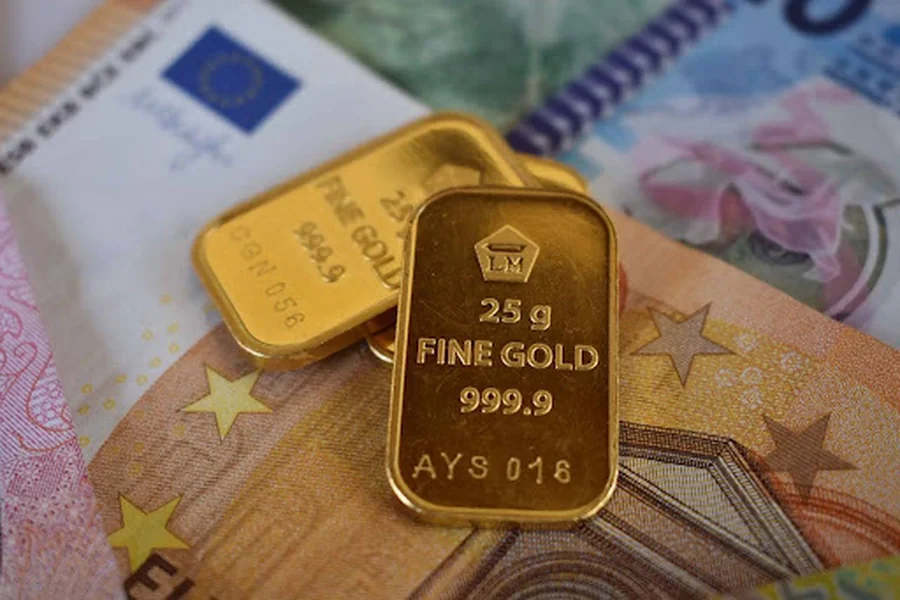
According to the World Gold Council, global gold investment demand reached 1,021 tonnes in 2023, while silver investment surpassed 300 million ounces, signaling strong and sustained interest in physical precious metals. As global economies fluctuate and fiat currencies face increasing skepticism, more investors are turning to tangible assets like bullion to preserve their wealth. The business of buying and selling gold and silver bullion, once limited to major players, has expanded through technology and digital platforms to include individual investors, collectors, and entrepreneurs around the world.
This article dives into how the bullion trade operates, the actors involved, the platforms that facilitate transactions, and the considerations for anyone looking to enter the space.
What Is Bullion and Why It Matters
Bullion refers to high-purity gold and silver, often in the form of coins or bars. Unlike jewelry or numismatics, bullion’s value is primarily tied to its metal content and the prevailing market price. Gold bullion typically comes in 99.9% purity (24 karat), while silver bullion is usually 99.9% pure or higher.
These precious metals have historically acted as a hedge against inflation, a reserve of purchasing power, and a stabilizing force in diversified investment portfolios. While digital assets have risen in popularity, physical metals remain unmatched for their tangibility and universal recognition.
The Structure of the Bullion Business
The bullion industry encompasses more than just the act of buying and selling. It consists of multiple layers:
- Mining and Refining – The journey starts at mines where ore is extracted, followed by refinement processes that produce investment-grade bullion.
- Wholesalers and Mints – These entities transform refined metals into bars and coins. Some mints are operated by governments, while others are privately owned.
- Distributors and Retailers – These businesses bring bullion to the public, offering products at premiums over the spot price.
- Investors and Collectors – End users may purchase bullion for security, speculation, or passion.
- Secondary Markets – Many participants also trade used bullion through buyback programs or peer exchanges.
Each stage adds value and involves unique risks and profit margins.
Why People Participate in the Bullion Trade
The motivations behind buying or selling bullion are varied. Here are the main drivers:
- Preserving wealth during inflationary periods
- Diversifying a portfolio beyond equities and bonds
- Gaining access to a globally recognized form of value
- Speculating on short- or long-term price movements
- Passing down physical assets to future generations
For business owners and traders, bullion also presents an opportunity for arbitrage, retail sales, or portfolio hedging.
Bullion Products: Bars vs. Coins
In the market, buyers often choose between bullion bars and bullion coins. Bars are favored for larger investments due to their lower premiums, while coins offer added liquidity and recognition, often backed by sovereign mints. Alongside the traditional offerings of gold and silver, some collectors and investors pursue high-caliber platinum coins, which combine rarity with long-term investment appeal.
Coins may carry higher premiums due to collectability, legal tender status, or limited mintage. Investors must balance cost, storage, and exit strategy when selecting products.
Where Transactions Happen: Traditional and Modern Platforms
Buying and selling bullion can happen in several environments, each with its own benefits:
1. Physical Bullion Shops
Brick-and-mortar bullion dealers offer face-to-face transactions and immediate delivery. These shops often assess purity and weight on-site and may also offer buyback programs.
2. Online Trading Platforms
The digital shift has dramatically expanded access to bullion markets. Today, a growing number of websites and apps enable you to buy and sell gold and silver bullion seamlessly. These platforms display live pricing, allow for secure checkout, and offer shipping or storage options.
Investors appreciate the convenience and transparency, though it’s important to verify the credibility and reputation of any online vendor.
3. Bullion Exchanges and Marketplaces
These platforms act as intermediaries between buyers and sellers. Unlike retail stores, they operate more like stock exchanges, matching bids and asks. This structure can lead to more competitive pricing and broader liquidity.
4. Mobile Apps and Digital Wallets
Modern apps now allow users to own fractional amounts of gold or silver stored in third-party vaults. Though users may never physically handle the metal, they benefit from price exposure and simple trading. These platforms are ideal for casual investors or those constrained by geography or storage capabilities.
Storage Solutions for Bullion Holders
Once purchased, bullion must be stored securely. Options include:
- Home safes – High control but increased risk
- Bank deposit boxes – Reliable but potentially limited in accessibility
- Third-party vaulting services – These are insured, often audited, and convenient for frequent traders or high-value holdings
Some dealers offer integrated storage for purchased metals, streamlining the process for buyers who prefer not to manage physical delivery.
Understanding Pricing and Premiums
Bullion prices fluctuate daily based on the spot price, which reflects real-time market demand. However, buyers also face premiums — the markup charged for fabrication, distribution, and dealer profit.
When selling, the reverse applies: buyers may offer slightly below spot price to accommodate their margin. This bid-ask spread is a key profitability factor for dealers and something investors must account for when entering and exiting the market.
Taxes, Reporting, and Regulations
The legal landscape around bullion trading varies by jurisdiction. Some key considerations include:
- Capital gains tax – Profits made on bullion sales may be taxable.
- Sales tax – Some regions exempt bullion from sales tax, others do not.
- Identification requirements – High-value purchases may require identity verification or transaction reporting.
Businesses operating in this space must stay compliant with anti-money laundering (AML) laws and consumer protection standards.
Starting a Business in Bullion
Entrepreneurs looking to enter the bullion trade should consider:
- Sourcing suppliers with reliable pricing and quality guarantees
- Building customer trust through transparency and service
- Offering storage or buyback options to increase client retention
- Creating educational content to build investor confidence
- Using secure, flexible e-commerce platforms to transact safely
Differentiation is crucial. With many competitors in the space, successful bullion businesses often offer a unique selling proposition — such as sustainability sourcing, subscription investing, or niche product lines.
Market Risks and Rewards
Like all industries, the bullion trade comes with risks:
- Price volatility can affect margins and inventory values.
- Security concerns around storage and transport must be addressed.
- Fraud and counterfeiting are ongoing threats that require diligence.
- Market liquidity varies depending on product and timing.
However, the potential rewards — especially during economic downturns or currency crises — are considerable. In times of uncertainty, demand for physical bullion often surges.
The gold and silver bullion industry is more than just a relic of the past — it’s a modern, tech-enabled marketplace offering stability, opportunity, and tangible value. From small-scale investors buying a single silver coin to companies managing large bullion inventories, the business continues to evolve in line with global economic forces and digital innovation.
Whether you’re exploring bullion as a business venture or an investment strategy, the expanding ecosystem of platforms, products, and participants enables you to buy and sell gold and silver bullion with efficiency, transparency, and confidence. As economic landscapes shift, precious metals remain a resilient and accessible pillar of financial strategy.