

Colorectal cancer is one of the most commonly diagnosed cancers in Singapore, affecting the colon or rectum and often developing gradually over time. Growing awareness around colorectal cancer Singapore has also highlighted the importance of understanding colon polyps, which are abnormal growths that form along the lining of the colon or rectum.
Although many polyps are harmless, some types may slowly develop into colorectal cancer if left undetected or untreated. Learning how this progression occurs helps highlight why screening and early intervention are so important. To learn more about symptoms, diagnosis, and treatment options, read more here https://alpinesurgical.sg/conditions/colon-cancer/.
What Are Colon Polyps
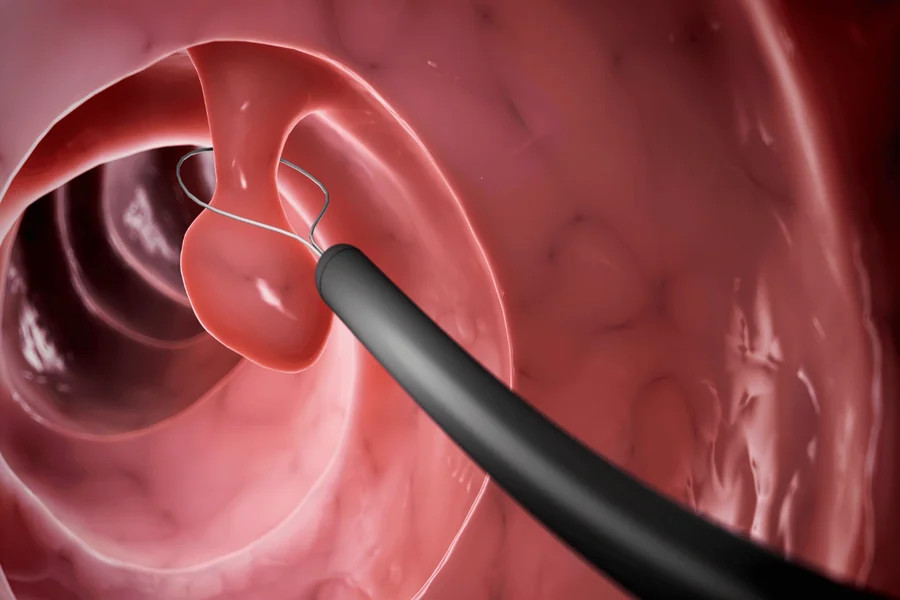
Colon polyps are abnormal growths that develop on the inner lining of the colon or rectum. They are relatively common, especially as people get older, and are often discovered incidentally during screening procedures such as a colonoscopy. In many cases, polyps do not cause any symptoms, which means individuals may have them without realising it.
There are different types of colon polyps, with adenomatous polyps (adenomas), serrated polyps, and hyperplastic polyps being the most commonly identified. Among these, adenomatous and certain serrated polyps are considered precancerous, meaning they carry a higher risk of developing into colorectal cancer over time. Hyperplastic polyps, on the other hand, are generally less likely to become cancerous.
Although not all polyps progress to cancer, the potential risk lies in specific biological changes that may occur within the polyp cells over time. This slow transformation is usually silent and can take years, which is why regular screening is important for early detection and removal.
How Polyps Can Turn Into Colorectal Cancer
The progression from a normal colon lining to colorectal cancer typically follows a gradual process known as the adenoma-carcinoma sequence. In this pathway, normal cells in the colon wall slowly undergo genetic changes, leading to the formation of adenomatous polyps. Over time, some of these polyps may accumulate additional mutations that allow them to grow, change in structure, and eventually become cancerous.
Not all polyps will follow this pathway. In fact, most remain benign throughout a person’s life. However, certain factors increase the likelihood of malignant transformation, including larger polyp size, the presence of multiple polyps, specific histological features seen under the microscope, and a family history of colorectal cancer. These risk factors help clinicians decide which patients may need closer monitoring or earlier intervention.
Importantly, this progression is usually slow and can take many years, which creates an opportunity for early detection and prevention. When polyps are identified during screening, they can often be removed before any cancerous change occurs. This makes colonoscopy a highly effective tool in preventing colorectal cancer at its earliest stages.
Common Symptoms That May Be Associated With Polyps
Most colon polyps do not cause symptoms, especially when they are small, and are often only detected during routine screening such as a colonoscopy. When symptoms do occur, they are usually non-specific and may include:
- Blood in the stool, which may appear bright red or dark
- Changes in bowel habits such as constipation or diarrhoea
- Unexplained abdominal discomfort or bloating
- Iron deficiency anaemia leading to fatigue or weakness
These symptoms are not unique to polyps and can be caused by other conditions. However, persistent or unexplained changes should always be assessed to rule out underlying colorectal disease.
Risk Factors for Developing Polyps and Colorectal Cancer
Certain factors can increase the likelihood of developing colon polyps, which may in turn raise the risk of colorectal cancer over time. In Singapore, these risks are often linked to a combination of age, lifestyle, and genetic predisposition.
Key risk factors include:
- Age above 45, with risk increasing as people get older
- Family history of colorectal cancer or colon polyps
- Diets high in red or processed meats and low in fibre
- Sedentary lifestyle and lack of regular physical activity
- Smoking and regular alcohol consumption
- Obesity and metabolic conditions such as diabetes
While these factors increase risk, colorectal cancer can still occur in individuals without obvious risk factors, which is why awareness and appropriate screening remain important.
How Screening Helps Detect and Remove Polyps
Screening plays a key role in preventing colorectal cancer by identifying polyps before they develop into something more serious. In Singapore, colonoscopy is considered the most effective screening method as it allows direct visualisation of the colon and removal of polyps during the same procedure.
During a colonoscopy, a flexible camera is used to examine the inner lining of the colon and rectum. If polyps are found, they can often be removed immediately and sent for laboratory analysis to determine their type and risk level. Other screening options may include stool-based tests that detect hidden blood or abnormal DNA changes, although these are generally used as preliminary tools rather than definitive diagnostics.
Treatment and Follow-Up After Polyp Removal
Most colon polyps can be removed during a colonoscopy through a procedure called polypectomy. This is usually done immediately once polyps are detected, helping to prevent potential progression.
After removal, the polyps are sent for laboratory analysis to assess their type and whether any precancerous or cancerous changes are present. Follow-up care depends on the findings and may include:
- Number of polyps found during colonoscopy
- Size of each polyp
- Histological features under the microscope
- Personal and family history of colorectal cancer
Conclusion
Colon polyps play an important role in the development of colorectal cancer, but most cases progress slowly over time and can often be prevented through early detection and removal. Because polyps usually do not cause symptoms, regular screening remains the most reliable way to identify them before they become more serious. To discuss your symptoms, risk factors, or screening options for colorectal cancer, you may book a call with our clinic, at:
Alpine Surgical Practice – Dr Aaron Poh | Colonoscopy | Gallstones Removal Singapore
(Mount Elizabeth)
3 Mount Elizabeth, #14-06 Medical Centre, Singapore 228510
(Parkway East)
319 Joo Chiat Place #04-07 Parkway East Medical Centre, 427989
Phone: +65 6322 7323
WhatsApp: +65 8875 0080