

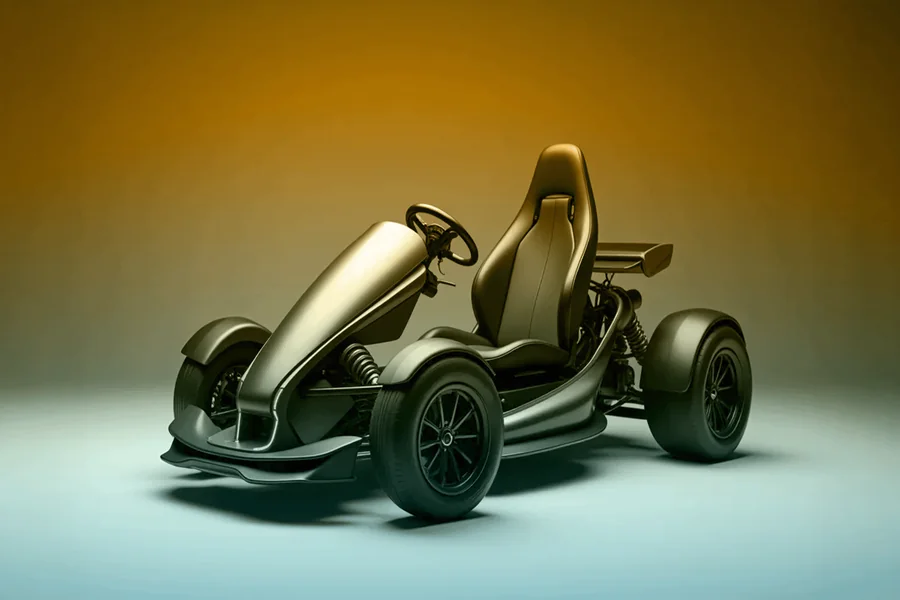
There was a time when owning a go-kart meant being a part-time mechanic. You had to deal with oily spark plugs, pull-start cords that threatened to snap your wrist, and the constant smell of gasoline sticking to your clothes. For many families, the barrier to entry was simply too high. However, the landscape of backyard fun has shifted dramatically over the last few years.
With the rise of high-torque brushless motors and long-lasting lithium batteries, electric go karts have moved from being novelty toys to serious pieces of recreational equipment. They offer the thrill of the track without the loud roar of a combustion engine, making them a perfect fit for suburban neighborhoods where silence is a virtue and garage space is limited.
The Quiet Revolution in Residential Racing
One of the biggest reasons for the surge in popularity is the decibel level. Traditional gas karts are loud—loud enough to draw complaints from neighbors three houses away. This usually meant you had to trailer your kart to a dedicated track or a remote field just to get twenty minutes of drive time.
Electric models change that dynamic entirely. They operate with a subtle hum, allowing kids and adults alike to zip around a driveway or a backyard track without disturbing the peace. This accessibility means the karts get used more often, turning a “special occasion” activity into an everyday hobby.
Torque on Demand: Why Electric Feels Different
If you’ve ever driven a gas-powered rental kart, you know there’s often a “lag” when you step on the gas. The engine has to rev up before the power reaches the wheels. Electric motors don’t have this problem. They provide 100% of their torque instantly.
This “instant-on” power makes electric racing feel incredibly snappy and responsive. Whether you are navigating a tight corner in a suburban cul-de-sac or kicking up dirt on a custom-made trail, the immediate acceleration provides a level of excitement that is hard to replicate with a small pull-start engine.
Safety and Control for the Modern Parent
For parents, the move to electric isn’t just about noise; it’s about peace of mind. Modern electric karts often come equipped with sophisticated speed controllers. Many models allow parents to set a “max speed” via a physical key or an app, ensuring that younger drivers stay at a manageable pace while they learn the basics of steering and braking.
Additionally, because there is no hot exhaust pipe and no flammable fuel to manage, the risk of burns or accidental fires is virtually eliminated. This makes the “pit stop” as safe as the race itself.
Low Maintenance: The Death of the Weekend Mechanic
The most significant “hidden cost” of a traditional go-kart is the maintenance. You have to mix fuel, change oil, clean carburetors, and replace drive belts. If a gas kart sits in the shed for three months during the winter, there’s a good chance it won’t start in the spring without a professional tune-up.
Electric karts are essentially “plug and play.” Aside from checking tire pressure and occasionally tightening a bolt or lubricating a chain, there is very little to do. You charge the battery, turn the key, and go. For the busy modern family, this lack of mechanical overhead is a massive selling point.
Designing a Backyard Track: What You Need to Know
You don’t need a professional asphalt circuit to enjoy a go-kart. In fact, some of the best recreation happens on “natural” tracks.
Driveway and Cul-de-sac Racing
If you have a paved surface, you can set up a temporary course using soft rubber cones. This is ideal for practicing “racing lines” and braking points.
Off-Road Trails
Many electric karts are designed with rugged frames and knobby tires. If you have a larger lot, clearing a simple dirt path through the grass or around a few trees creates a rally-style experience. Just be sure to use a rake to remove large rocks or hidden stumps before the first heat.
Decision Guide: Gas vs. Electric Go Karts
Choosing the right power source depends on your environment and your willingness to turn a wrench.
| Feature | Gas Go-Karts | Electric Go-Karts |
| Noise Level | Very High (85+ dB) | Low (Whirring sound) |
| Startup | Pull-start or electric start | Push-button (Instant) |
| Maintenance | High (Oil, fuel, filters) | Very Low (Battery care) |
| Speed Control | Difficult to limit | Easy (Parental locks) |
| Fueling | Gas station trips | Wall outlet charging |
Buying Guide: What to Look for in a Backyard Kart
Before you make a purchase, consider the following specifications to ensure the kart grows with your family.
Battery Voltage and Amp Hours
Voltage (usually 40V, 60V, or 80V) generally dictates the power and top speed. Amp hours (Ah) dictate the “gas tank” size—how long you can ride before needing a recharge. For backyard use, look for a balance that offers at least 40-60 minutes of continuous run time.
Weight Capacity
If you want to be able to ride along with your kids, or if you want the kart to last through their teenage years, check the maximum weight limit. Many modern karts feature adjustable seats and heavy-duty steel frames that can support adults.
Tire Type
If you plan on staying on the pavement, slick or ribbed tires offer the best grip. If you are going off-road, look for pneumatic (air-filled) tires with deep treads to handle mud and grass.
Common Mistakes to Avoid
- Ignoring Safety Gear: Just because they are quiet doesn’t mean they aren’t fast. Always insist on a helmet, closed-toe shoes, and long pants.
- Leaving Batteries in the Cold: Lithium batteries hate freezing temperatures. During the winter, store your kart’s battery indoors to preserve its lifespan.
- Overestimating the Surface: While karts are tough, driving through tall, thick weeds can wrap around the axle and overheat the motor. Keep your track relatively clear.
Environmental and Economic Impact
Over the long term, electric karts are significantly cheaper to operate. While the initial purchase price might be slightly higher than a low-end gas model, the cost of electricity is pennies compared to the price of premium gasoline and engine oil. Furthermore, there are zero emissions, meaning you aren’t leaving a cloud of blue smoke over your garden after a Saturday afternoon of racing.
Actionable Tips for New Drivers
To get the most out of the experience, teach new drivers the “slow in, fast out” rule. This means braking before the turn and accelerating as they exit. Because electric karts have so much instant torque, learning to manage the throttle coming out of a corner is the fastest way to improve lap times and prevent spin-outs.
Frequently Asked Questions
How fast do electric go karts go?
Backyard-friendly models typically range from 10 mph for beginners to 25+ mph for more advanced models. Most have speed limiters so you can increase the speed as the driver gains experience.
How long does it take to charge?
Depending on the charger and battery size, a full charge typically takes between 1 and 4 hours. Many families opt for a “quick charger” or a second battery pack to keep the fun going.
Can they handle hills?
Yes, thanks to the high torque of electric motors, they are excellent at climbing moderate inclines. However, steep hills will drain the battery faster than flat-ground racing.
Are they waterproof?
Most are “water-resistant.” They can handle a splash from a puddle or damp grass, but you should never submerge the motor or battery, and you should store the kart in a dry place.
Conclusion
The shift toward electric go karts isn’t just a change in technology; it’s a change in lifestyle. It brings the excitement of the racetrack directly to the home in a way that is clean, quiet, and inclusive. By removing the barriers of noise and maintenance, these machines have allowed a new generation of families to rediscover the joy of the backyard “grand prix.” Whether you’re a kid experiencing their first taste of speed or a parent reliving their youth, the future of backyard recreation is undeniably electric.